
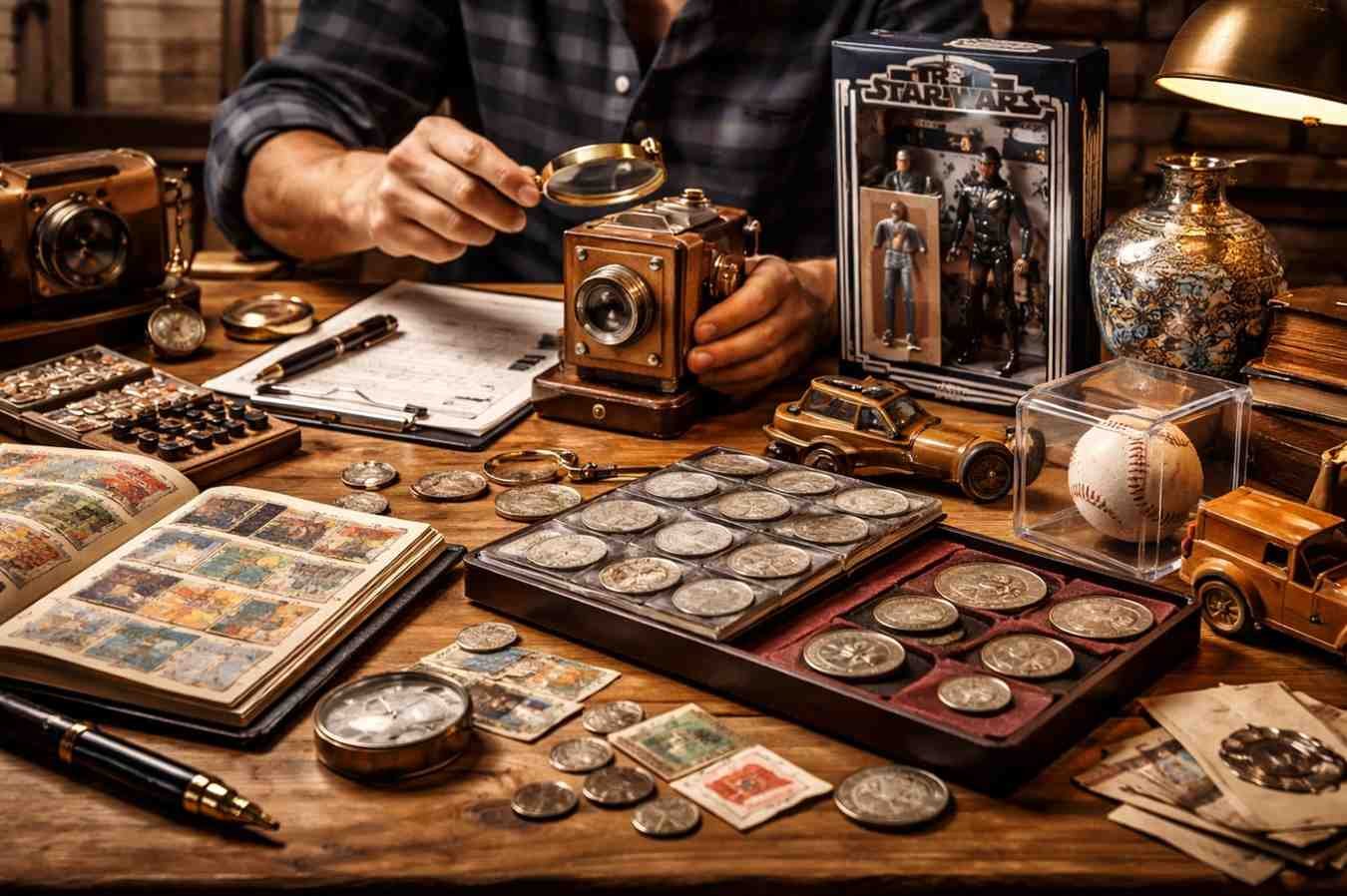
Collecting is a passionate pursuit that transforms ordinary objects into treasured assets. Whether you are gathering vintage coins, rare stamps, or antique furniture, understanding the value of your collection is a fundamental skill. Valuation goes beyond simply knowing what you paid for an item. It involves understanding market trends, conditions, provenance, and the subtle factors that make one piece worth significantly more than another.
For new and experienced collectors alike, mastering the art of valuation protects your investment and ensures you make informed decisions when buying or selling. This guide explores the essential elements that determine value and how you can accurately assess your own items.
The Importance of Condition
The physical state of an item is often the single most critical factor in determining its worth. In the world of collecting, condition is everything. A pristine example of a common item can sometimes fetch a higher price than a rare item in poor shape.
Grading Systems
Most collecting categories have established grading systems. Coins, comics, and trading cards use numerical scales to define quality objectively. Learning these scales helps you speak the language of the market. For items without formal grading, you must look for flaws such as chips, cracks, fading, or restoration. Even minor imperfections can drastically reduce value.
Original Packaging
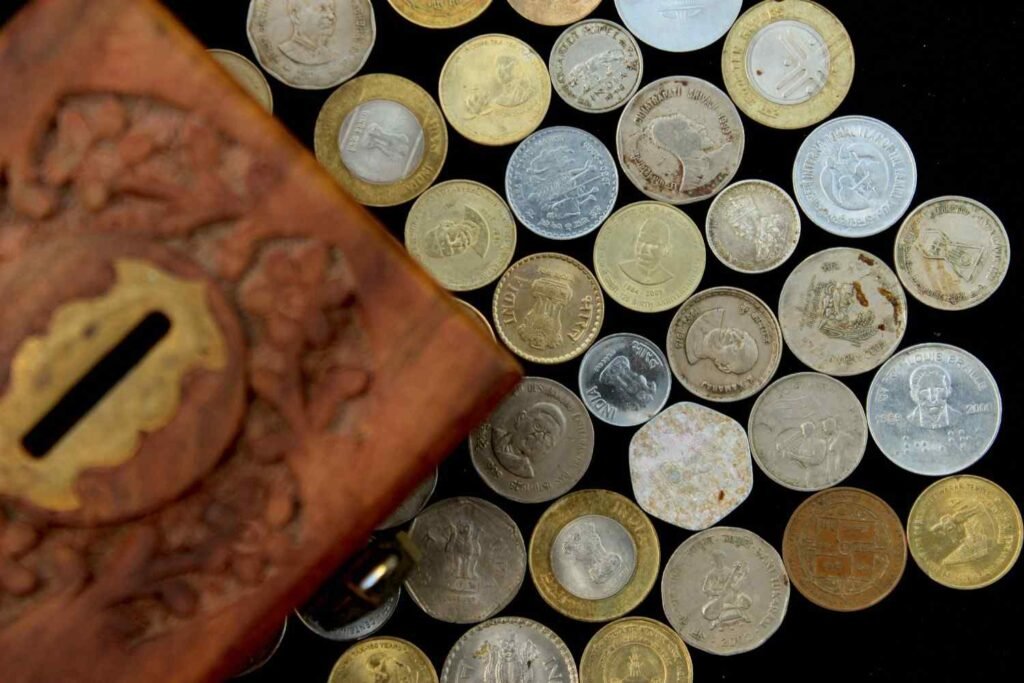
For many modern collectibles, the presence of original packaging can double or triple the value. This is especially true for toys and electronics. An item is considered “mint in box” only if the packaging itself is also in excellent condition. Resist the urge to open sealed items if your primary goal is investment, as breaking the seal often results in an immediate loss of value.
Understanding Rarity and Scarcity
Rarity refers to how many examples of an item exist, while scarcity refers to how many are available on the market. These two concepts drive demand.
Limited Production Runs
Items produced in limited quantities naturally command higher prices. This could be a numbered artist print or a prototype that never went into full production. However, do not confuse “limited edition” marketing labels with true rarity. Research the actual production numbers to determine if an item is genuinely scarce.
Survival Rates
Sometimes an item was mass-produced but few have survived over time. Fragile items, paper goods, or objects that were intended to be used and discarded often have low survival rates. This scarcity due to attrition can make common historical objects quite valuable today.
The Role of Provenance and Authenticity
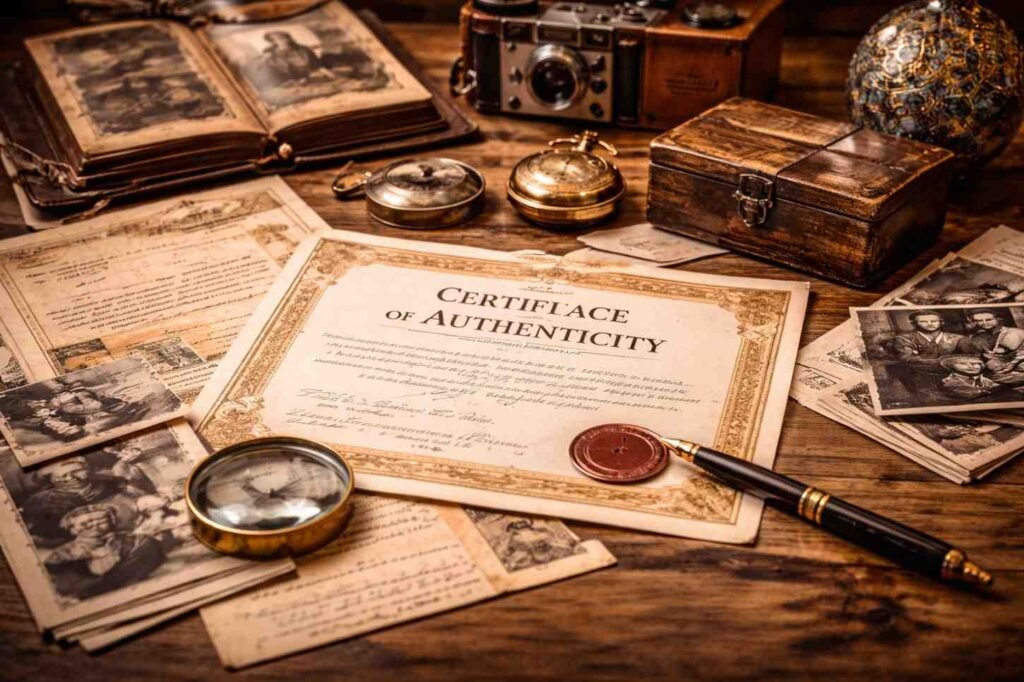
Provenance is the documented history of ownership for an item. It serves as a pedigree that confirms authenticity and can add significant value.
Documentation Matters
Receipts, certificates of authenticity, and photographs of the item in use by a previous owner all contribute to provenance. For high-value items, a gap in this history can raise doubts and lower the price. Always keep your own records organized. When you acquire a new piece, file away any paperwork immediately.
Spotting Fakes
Counterfeits are a reality in almost every collecting niche. Educating yourself on the telltale signs of reproductions is essential. This might involve studying specific manufacturing techniques, identifying correct date codes, or knowing the weight and feel of genuine materials. If an item seems too good to be true, it usually is.
Market Trends and Demand
Value is not static. It fluctuates based on what collectors are interested in at any given moment. Trends can be influenced by pop culture, anniversaries, or shifts in interior design.
Researching Current Prices
Do not rely on price guides that are years old. The internet provides real-time data on what items are actually selling for, not just what sellers are asking. Check completed listings on auction sites to see the final sale prices. This gives you a realistic view of current market value.
Niche Markets
Some categories have very specific, dedicated followings. For example, high-quality wooden airplane models occupy a distinct niche where craftsmanship and historical accuracy drive prices. Understanding the specific desires of collectors in your niche allows you to identify undervalued items that general antique dealers might overlook.
Insurance and Appraisals
Once you understand the value of your collection, protecting it is the next logical step. Standard homeowner insurance policies rarely cover the full value of collectibles.
Specialized Insurance
Consider purchasing a separate policy designed for collectibles. These policies often cover accidental breakage, theft, and even loss of value due to damage. They usually require a detailed inventory and regular updates as the value of your collection grows.
Professional Appraisals
For particularly valuable items, a professional appraisal is necessary. An accredited appraiser provides a written report that is accepted by insurance companies and the IRS. While this service costs money, it provides an unbiased expert opinion that can be invaluable for estate planning or insurance claims.
Conclusion
Valuing your collection is an ongoing process of learning and observation. By paying attention to condition, understanding rarity, and staying current with market trends, you can build a collection that is both personally rewarding and financially sound. Start reviewing your items today, document what you have, and take the necessary steps to protect your hard-earned treasures for the future.