
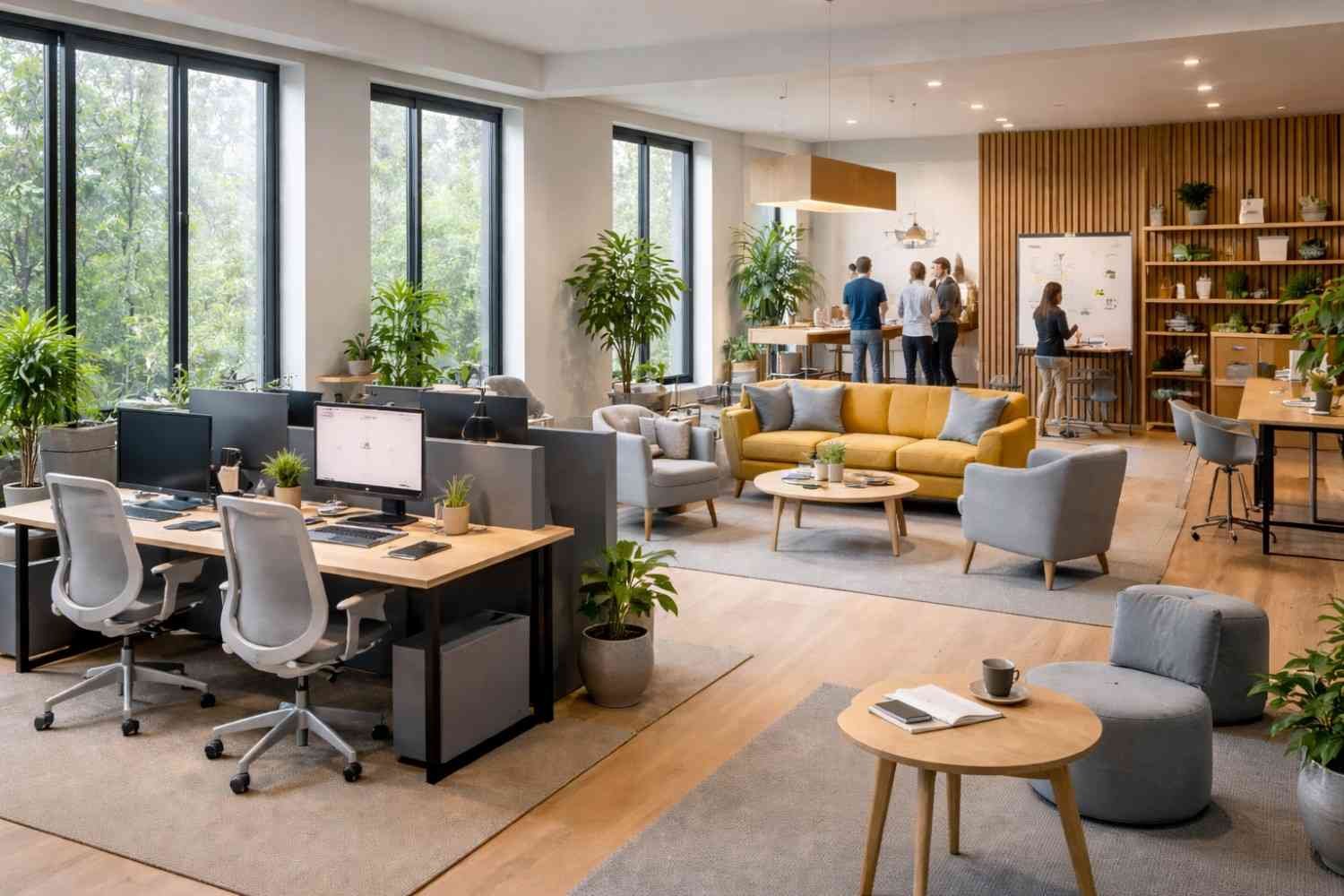
An office is much more than just a place to work. It’s an environment that quietly influences mood, focus, and overall output. The layout of the room, the color of the walls, and the quality of the light all play a significant role in how employees feel and perform. By understanding the psychology behind office design, you can intentionally create a space that not only looks good but also actively inspires productivity and well-being.
The Influence of Layout and Space
The physical arrangement of an office has a direct impact on collaboration and concentration. An open-plan layout can encourage communication and a sense of community, but it can also lead to constant distractions. Conversely, a design with many private offices may support deep work but could stifle spontaneous teamwork.
Finding the Right Balance
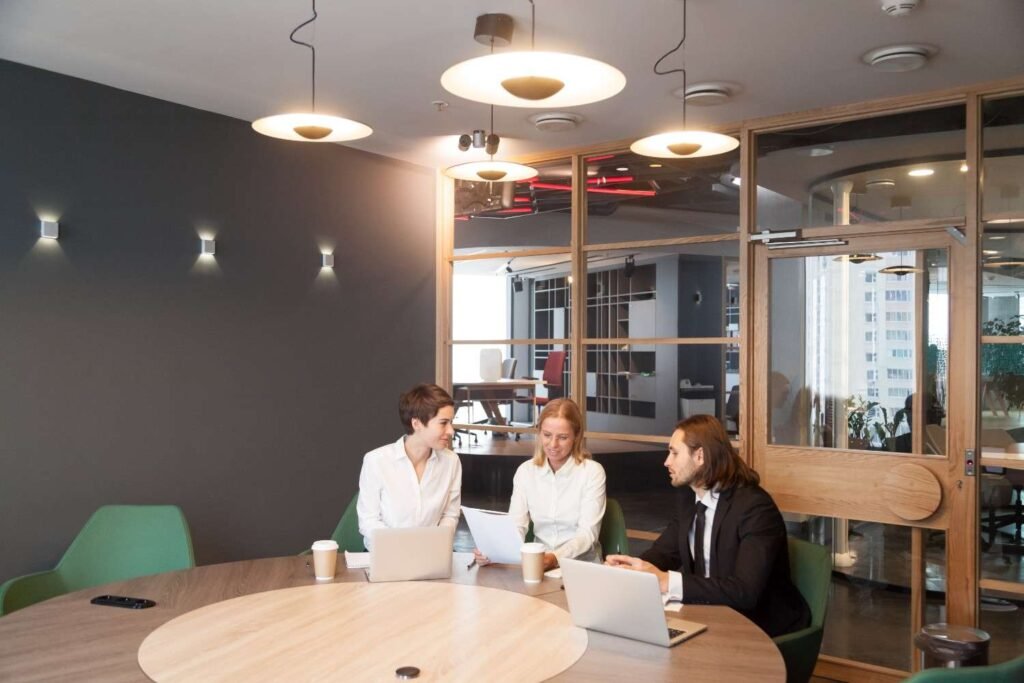
A successful design often incorporates a mix of spaces. This hybrid model provides zones for different types of work. It might include quiet areas for focused tasks, collaborative hubs with whiteboards for brainstorming, and comfortable lounges for informal chats.
Giving employees the autonomy to choose where they work based on their task for the day empowers them and acknowledges their diverse needs. This approach respects the need for both social interaction and individual concentration, leading to higher satisfaction and efficiency.
The Power of Color and Light
Color psychology suggests that different hues can evoke specific emotional and behavioral responses. For instance, blues and greens are often associated with calmness and focus, making them excellent choices for areas where deep work occurs. On the other hand, yellows and oranges can stimulate creativity and energy, which may be suitable for collaborative zones.
Let There Be Light
Lighting is another critical factor. Natural light is consistently linked to better health and productivity. Whenever possible, maximize daylight by keeping windows unobstructed. In areas without natural light, opt for lighting that mimics it. Harsh, fluorescent overheads can cause eye strain and headaches. Instead, use layered lighting with a combination of ambient, task, and accent lights to create a more comfortable and visually appealing environment.
Furnishings That Foster Well-being
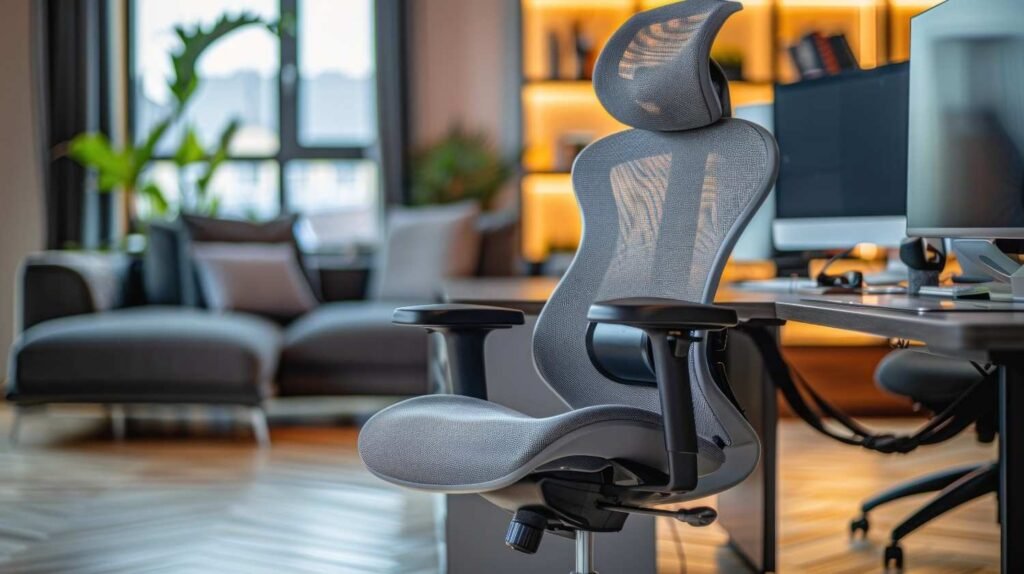
Comfort is not a luxury; it’s a prerequisite for sustained focus. Ergonomic furniture that supports good posture can significantly reduce physical discomfort and prevent long-term health issues. Adjustable chairs, sit-stand desks, and monitor stands allow individuals to customize their workstations for their specific body type.
Personalization and Ownership
Allowing employees to have a say in their immediate surroundings can foster a stronger sense of ownership and belonging. While maintaining a cohesive aesthetic is important, providing options for personal touches, such as plants or photos, can make a workspace feel more human. When sourcing equipment, look for suppliers that offer a variety of styles to suit different needs.
You might find a great selection of ergonomic and stylish office furniture in Salt Lake City or other business centers that cater to modern workplace demands. Investing in quality furnishings shows your team that you value their health and comfort.
Biophilic Design: Bringing Nature Indoors
Biophilia is the innate human tendency to connect with nature. Incorporating natural elements into an office setting, a practice known as biophilic design, can reduce stress and improve cognitive function. This can be as simple as adding potted plants and natural materials like wood and stone into the decor. Views of green spaces, even from a window, have been shown to boost focus and mental clarity. A water feature can provide calming background noise that masks distracting office chatter.
By applying these psychological principles to your office design, you can craft a workspace that works for your team, not against them. A thoughtfully designed environment is an investment in your people, promoting a culture of productivity, creativity, and well-being that will pay dividends in the long run.