As winter approaches, bringing colder temperatures and harsh weather, preparing your home becomes essential. A well-prepared home ensures your family stays warm, safe, and comfortable throughout the season. Taking proactive steps can also lead to significant energy savings and prevent costly emergency repairs.
This guide provides practical tips to help you get your house ready for the colder months. From simple checks to more involved tasks, these steps will help you create a cozy and secure environment for the winter.
Seal Drafts and Leaks
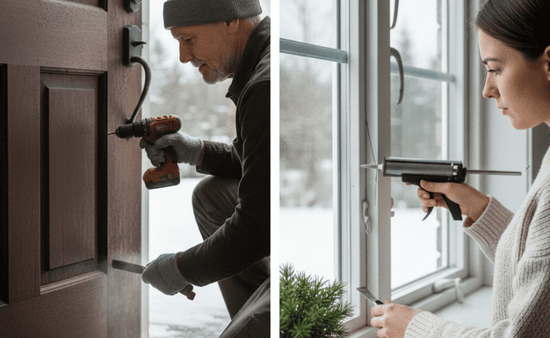
One of the primary causes of heat loss in a home is through air leaks around windows, doors, and other openings. These drafts can make your heating system work harder, increasing your energy bills.
Locating and Sealing Gaps
Carefully inspect your home for any visible gaps. Check the frames around windows and doors, as well as areas where pipes and wires enter your house. You can use weatherstripping around doors and caulk for cracks in window frames to seal these leaks effectively. For doors, adding a door sweep at the bottom can block cold air from entering.
Check Your Heating System
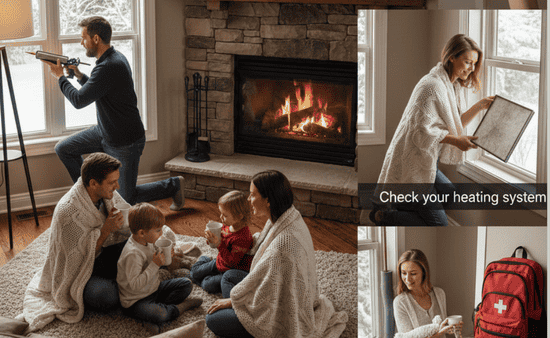
Your furnace or heating system is your first line of defense against the cold. Ensuring it is in good working order before the first freeze is crucial for both warmth and safety.
Routine Maintenance
Schedule a professional inspection of your heating system annually. A technician can clean the components, check for potential issues, and ensure it operates efficiently. At a minimum, you should replace your furnace filter. A clean filter improves airflow and enhances the system’s performance, which can lower your energy consumption.
Insulate to Retain Heat
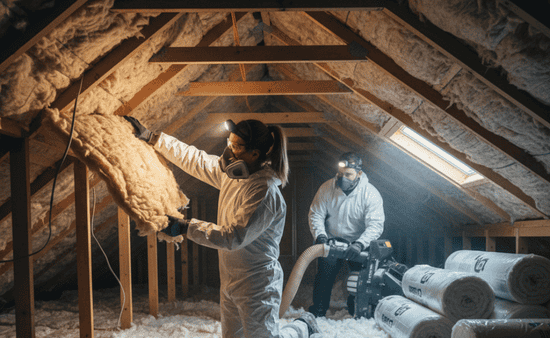
Proper insulation is key to maintaining a consistent temperature inside your home. It acts as a thermal barrier, keeping warm air in and cold air out.
Assessing Your Home’s Insulation
Check the insulation levels in your attic, basement, and crawl spaces. Over time, insulation can settle or become damaged, reducing its effectiveness. Adding more insulation can be one of the most impactful ways to improve your home’s energy efficiency. If you suspect significant heat loss and are unsure where to begin, consulting with professionals for options like insulation services in Provo can provide a clear path forward for improving your home’s thermal performance.
Protect Your Pipes
Frozen pipes can burst, leading to extensive water damage and expensive repairs. Protecting your plumbing is a critical step in winter preparation.
Preventing a Freeze
Insulate any pipes located in unheated areas of your home, such as the garage, attic, or crawl space. You can use foam pipe sleeves for this purpose. Disconnect, drain, and store all outdoor hoses. If you have an outdoor water shut-off valve, turn it off and drain the lines to prevent freezing.
Prepare for Winter Storms
Winter storms can bring power outages and make travel difficult. Having an emergency kit prepared can provide peace of mind and ensure your family’s safety.
Assembling an Emergency Kit
Your kit should include flashlights, extra batteries, a first-aid kit, non-perishable food, and several gallons of water. Also, have warm blankets and extra layers of clothing readily available. A battery-powered or hand-crank radio can help you stay informed about weather updates if the power goes out.
Clean Gutters and Downspouts
Clogged gutters can cause significant problems during the winter. When leaves and debris block the flow of water, it can lead to ice dams.
Preventing Ice Dams
Ice dams form when melting snow refreezes at the edge of your roof, preventing proper drainage. The backed-up water can seep under your shingles and cause damage to your roof, ceilings, and walls. Clear your gutters of all debris after the leaves have fallen to ensure water can flow freely away from your home.
Test Safety Devices
Winter is a time when the risk of house fires and carbon monoxide poisoning increases due to the heavy use of heating equipment.
Check Your Alarms
Test your smoke detectors and carbon monoxide detectors to ensure they are working correctly. Replace the batteries at least once a year. Make sure you have a carbon monoxide detector on each level of your home, especially near sleeping areas.