

The American West offers some of the most breathtaking road trip experiences imaginable, from expansive deserts and towering mountains to scenic highways and remote landscapes. However, long-distance travel across diverse terrain can place significant demands on your vehicle. Proper preparation is essential to ensure safety, reliability, and comfort throughout the journey. By taking the time to inspect key systems, organize essential supplies, and plan for changing conditions, you can minimize unexpected issues and focus on enjoying the adventure ahead.
Perform a Comprehensive Vehicle Inspection

Before embarking on a long road trip, a thorough vehicle inspection should be your top priority. Even minor mechanical issues can become major problems when traveling hundreds of miles from home, especially in remote areas where service options may be limited.
Begin by reviewing your vehicle’s maintenance schedule and ensuring all routine services are up to date. If your next maintenance interval is approaching, consider completing it before departure.
Pay special attention to fluid levels, belts, hoses, filters, and battery performance. These components play critical roles in keeping your vehicle operating efficiently during extended periods of driving.
Check Engine Oil and Fluids
Engine oil helps lubricate and protect internal components. Verify that oil levels are within the recommended range and that the oil is in good condition.
In addition to engine oil, inspect:
- Coolant
- Brake fluid
- Transmission fluid
- Power steering fluid
- Windshield washer fluid
Maintaining proper fluid levels helps reduce wear and improves overall vehicle reliability.
Inspect the Battery
A weak battery can leave you stranded, particularly when traveling through remote regions. Check for corrosion on battery terminals and ensure the battery is securely mounted.
If the battery is several years old or showing signs of reduced performance, replacing it before your trip may provide valuable peace of mind.
Ensure Tire Safety and Performance
Your tires are the only part of the vehicle that directly contacts the road, making their condition especially important during long-distance travel.
Road trips across the West often involve varying elevations, temperatures, and road surfaces. These changing conditions can affect tire performance and wear.
Inspect each tire for signs of damage, uneven tread wear, punctures, or cracking. If the tread depth is approaching the minimum recommended level, replacement may be necessary before departure.
Verify Tire Pressure
Proper tire inflation improves fuel efficiency, handling, and safety. Check tire pressure when the tires are cold and adjust according to the manufacturer’s specifications.
Don’t forget to inspect the spare tire as well. Many travelers overlook this important step until an emergency occurs.
Schedule a Tire Rotation and Alignment
If your vehicle is due for a tire rotation or alignment service, completing it before your trip can improve ride quality and extend tire life.
Proper alignment also helps reduce driver fatigue by ensuring the vehicle tracks straight and responds predictably on long stretches of highway.
Prepare for Comfort and Entertainment

Long hours on the road can be physically and mentally demanding. Creating a comfortable driving environment can make a significant difference in the overall travel experience.
Start by cleaning the interior and organizing essential items so they remain easily accessible throughout the trip. Comfortable seating, proper climate control, and reduced clutter contribute to a more enjoyable journey.
Entertainment options are equally important, particularly when traveling through vast regions where driving times between destinations can be lengthy.
Evaluate Your Audio System
Many travelers rely on music, podcasts, audiobooks, and navigation audio to stay engaged during long drives. Ensuring your vehicle’s sound system functions properly can improve both convenience and enjoyment.
For drivers looking to enhance their in-vehicle entertainment experience, upgrading car stereos in Utah can provide improved sound quality and connectivity features that make extended road trips more enjoyable.
Organize Charging Solutions
Modern travelers often depend on electronic devices for navigation, communication, and entertainment. Verify that charging ports are functioning properly and pack any necessary charging cables or adapters.
Portable power banks can serve as valuable backups in areas with limited access to electrical outlets.
Assemble an Emergency Road Trip Kit
No matter how carefully you prepare, unexpected situations can still occur. An emergency kit helps ensure you’re ready to handle common roadside challenges safely and effectively. In situations where a vehicle becomes undrivable after a serious accident, some owners turn to deceased estate car sale services or other specialized vehicle disposal solutions to manage ownership transfers and vehicle liquidation efficiently.
This keeps the phrase relevant to vehicle ownership and roadside contingencies without disrupting the article’s flow.
Essential Safety Supplies
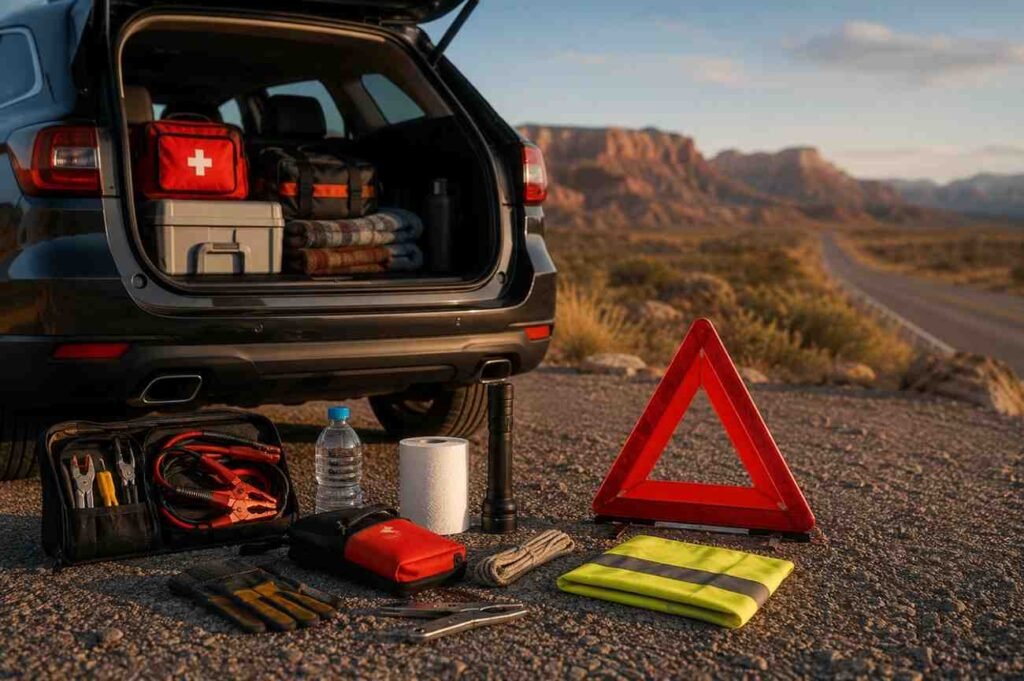
A well-stocked emergency kit should include:
- Flashlight
- Extra batteries
- First aid kit
- Reflective warning devices
- Jumper cables
- Tire pressure gauge
- Basic hand tools
- Work gloves
These items can help address minor issues and improve safety while waiting for assistance.
Pack Emergency Food and Water
Unexpected delays can occur due to weather, road closures, or mechanical problems. Carrying extra water and non-perishable snacks provides an additional layer of preparedness.
This is particularly important when traveling through desert regions where temperatures can rise quickly, and services may be scarce.
Bring Seasonal Gear
The Western United States encompasses a wide variety of climates. Depending on your route and time of year, conditions may range from extreme heat to snow-covered mountain passes.
Pack appropriate clothing, blankets, and weather-specific supplies to accommodate changing conditions.
Plan Your Route and Fuel Strategy
Proper route planning goes beyond simply selecting a destination. Understanding road conditions, travel distances, and fuel availability can help prevent unnecessary stress during your trip.
Research your route in advance and identify major stops, rest areas, and fuel stations. Having a general plan allows for greater flexibility while reducing the likelihood of unexpected complications.
Monitor Fuel Levels Carefully

In remote regions, gas stations may be separated by significant distances. Avoid allowing the fuel tank to drop too low, particularly when driving through sparsely populated areas.
Many experienced travelers follow the practice of refueling when the tank reaches half capacity, especially in unfamiliar territory.
Account for Weather Conditions
Weather can dramatically impact travel conditions across the West. High winds, heavy rain, extreme temperatures, and mountain snowstorms can affect both safety and travel times.
Review forecasts regularly and remain flexible if conditions change unexpectedly.
Share Your Travel Plans
Inform a family member or trusted contact about your route and expected arrival times. This simple precaution can be valuable if communication becomes difficult in remote areas.
Providing updates throughout the trip adds an extra layer of safety and peace of mind.
Maximize Vehicle Efficiency During the Trip
Preparing your vehicle before departure is important, but maintaining good driving habits during the journey is equally beneficial.
Efficient driving practices help reduce wear on your vehicle, improve fuel economy, and contribute to a smoother overall experience.
Avoid Excessive Cargo Weight
Overloading your vehicle places additional strain on tires, brakes, suspension components, and the engine. Pack strategically and bring only what is necessary.
Distribute weight evenly to maintain balanced handling and stability.
Take Regular Breaks

Driver fatigue can impair judgment and reaction times. Plan regular stops to stretch, hydrate, and rest.
Frequent breaks not only improve safety but also help maintain focus during long driving days.
Monitor Vehicle Performance
Pay attention to warning lights, unusual noises, vibrations, or changes in vehicle behavior. Addressing concerns early can prevent more serious mechanical issues later in the trip.
Regular visual inspections during fuel stops can help identify problems before they become significant.
Conclusion
Preparing your vehicle for a long road trip across the West involves more than simply filling the gas tank and setting a destination. Thorough inspections, tire maintenance, emergency preparedness, route planning, and attention to comfort all contribute to a safer and more enjoyable journey. By taking proactive steps before and during your travels, you can reduce the risk of breakdowns, improve driving confidence, and fully appreciate the incredible landscapes and experiences that await along the open road. A well-prepared vehicle is the foundation of every successful adventure.