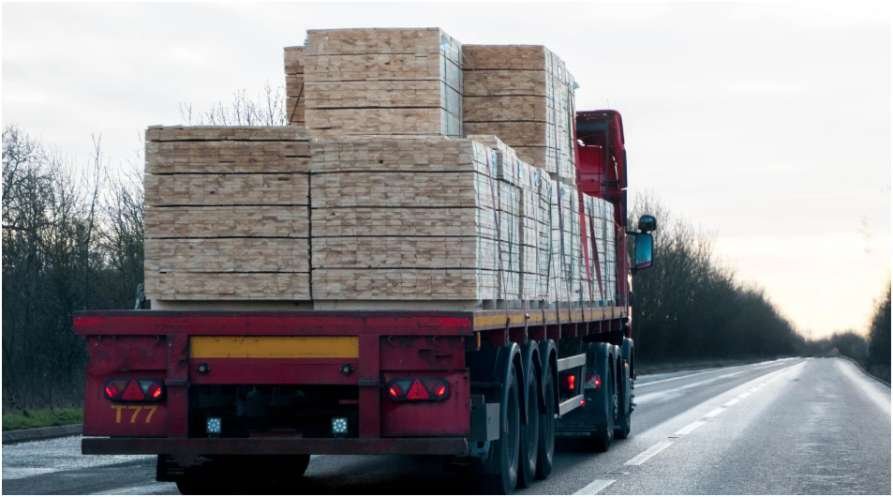
Heavy haulage represents a critical segment of the transportation industry, specialising in the movement of exceptionally large and heavy loads. Western Australia, with its expansive mining, construction, and industrial sectors, requires dependable heavy haulage services to support its economic activities. This article provides an in-depth overview of heavy haulage in Western Australia, highlighting the essential features, challenges, and benefits of these transport solutions.
Understanding Heavy Haulage
Heavy haulage involves transporting oversized and overweight cargo that exceeds standard legal loading limits. This includes machinery, industrial equipment, construction materials, infrastructure repairs, and other large items that cannot be disassembled or transported using conventional freight methods. Heavy haulage demands specialised vehicles, permits, and skilled operators to ensure safe and efficient delivery.
Importance of Heavy Haulage in Western Australia
The vast geography of Western Australia and its resource-rich landscape make heavy haulage an indispensable service. Mining operations, oil and gas projects, and infrastructure developments all rely on heavy haulage to move critical equipment and materials across long distances, often in remote areas. This form of transport underpins the state’s economic growth and industrial productivity.
Industry Applications
Heavy haulage serves multiple industries in Western Australia. The mining sector requires the transportation of heavy earthmoving machinery and processing plants. Construction projects depend on the delivery of structural steel, concrete components, and prefabricated units. Additionally, energy projects need to move large electrical transformers and turbines. Each application presents unique logistical challenges.
Types of Heavy Haulage Equipment and Vehicles
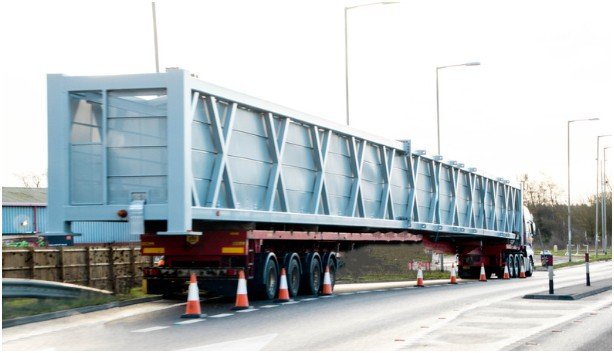
The success of heavy haulage operations heavily depends on the right equipment and professional experience. Transport companies employ specialised vehicles such as low loaders, extendable trailers, modular trailers, and hydraulic platform trailers. These are designed to accommodate varying load dimensions and weights while maintaining stability and control during transit.
Specialised Trailers for Oversized Loads
Low loaders have a lower deck height allowing for the transportation of taller loads under bridges and through tunnels. Extendable trailers can be adjusted in length to suit cargo size. Modular trailers offer flexibility, allowing multiple units to be linked for extremely heavy and wide loads. Selecting the appropriate trailer is crucial for regulatory compliance and safety.
Regulations Governing Heavy Haulage
Heavy haulage operations in Western Australia are subject to strict regulations to safeguard public safety and infrastructure. Transport companies must obtain permits from relevant authorities before moving oversized loads. These permits specify travel routes, timing restrictions, escort vehicle requirements, and signage protocols.
Permit Requirements
Obtaining permits involves providing detailed information about the load, vehicle specifications, and intended route. Authorities assess the potential impact on road infrastructure and public safety before granting approval. Failure to comply with permit conditions can result in significant penalties and delays.
Challenges in Heavy Haulage Logistics
Heavy haulage in Western Australia faces several logistical challenges. The state’s vast distances, varying terrain, and climatic conditions require meticulous planning. Operators must navigate narrow roads, sharp bends, low bridges, and other obstacles while coordinating with local authorities and communities.
Route Planning and Traffic Management
Advanced route planning utilises mapping technology and local knowledge to identify the safest and most efficient paths for oversized loads. Traffic management measures such as road closures, detours, and pilot vehicle escorting are often necessary to minimise disruption and ensure safety, and enable heavy haulage logistics to hit the open road with confidence.
Safety Considerations
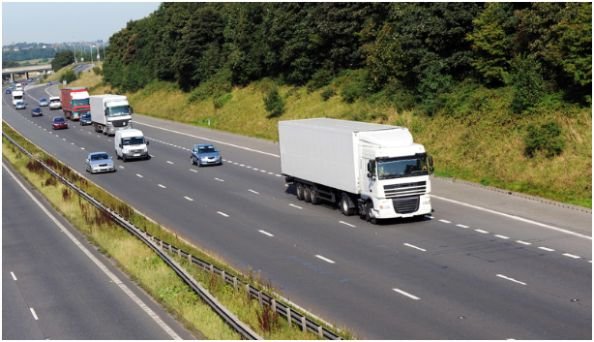
Safety is paramount in heavy haulage operations. Transport companies prioritise vehicle maintenance, driver training, and risk assessments to mitigate hazards. Load securing systems must be robust to prevent cargo shifting during transit, which could cause accidents or damage.
Driver Expertise
Heavy haulage drivers require specialised training and experience to handle complex manoeuvres and emergency situations. Their expertise is instrumental in adhering to safety standards and ensuring timely delivery under challenging conditions.
Benefits of Using Professional Heavy Haulage Services
Employing professional heavy haulage providers offers several advantages. These include access to specialised equipment, compliance with regulatory requirements, comprehensive insurance coverage, and expert logistics management. Professional operators also improve project timelines by minimising delays and unforeseen complications.
Cost Efficiency
While heavy haulage may entail higher upfront costs compared to standard freight, the efficiency and reliability it offers contribute to overall cost savings. Avoiding damage to cargo and infrastructure, reducing downtime, and ensuring timely delivery all positively impact project budgets.
Choosing the Right Heavy Haulage Provider in Western Australia
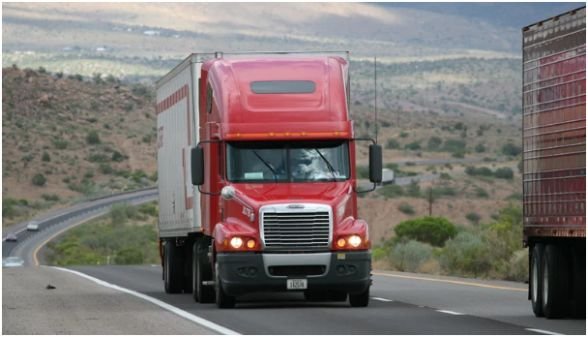
Selecting a heavy haulage service involves evaluating the company’s experience, equipment fleet, safety record, and regulatory compliance. Providers with local knowledge of Western Australia’s road network and industry requirements are preferred to navigate regional challenges effectively.
National Heavy Haulage as a Leading Provider
Companies such as heavy haulage Western Australia specialists offer comprehensive solutions tailored to client needs. Their expertise covers a broad range of industries and cargo types, supported by professional staff and modern equipment. Choosing established providers ensures quality service delivery.
Technological Innovations in Heavy Haulage
Technological advancements have enhanced the heavy haulage industry. GPS tracking, load monitoring sensors, and advanced communication systems improve operational transparency and real-time responsiveness. These innovations contribute to increased safety, efficiency, and accountability.
Environmental Considerations
With increasing focus on sustainability, heavy haulage companies are adopting fuel-efficient vehicles and optimising routes to reduce emissions. Careful planning also minimises environmental impact by avoiding sensitive areas and managing disturbances.
Conclusion
Heavy haulage services in Western Australia fulfil a vital role in supporting the state’s industrial and economic activities. The complexity, regulatory environment, and logistical challenges inherent in this sector require specialised expertise and equipment. By engaging professional heavy haulage providers, businesses can ensure reliable, safe, and cost-effective transport solutions tailored to their specific needs.
As Western Australia continues to develop its infrastructure and resource sectors, the demand for efficient heavy haulage will remain high. Investing in quality transport services is crucial for project success and sustainable growth within the region.