
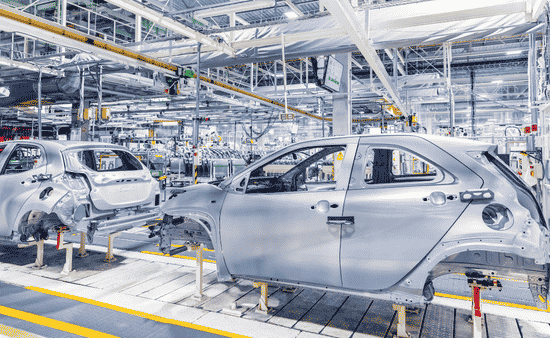
In automotive manufacturing, quality control is the backbone of producing safe, reliable, and high-performing vehicles. Every component, from the smallest bolt to the entire chassis, must meet strict standards to ensure durability and safety on the road. As vehicles become more advanced, with electric drivetrains and smart systems, the importance of robust quality control processes has only increased.
Manufacturers must adopt systematic inspection methods, advanced technologies, and continuous improvement practices to reduce defects and maintain consistency across production lines. This blog explores the best practices that help automotive manufacturers build better vehicles while minimizing waste, improving efficiency, and ensuring customer satisfaction.
Incoming Material Inspection
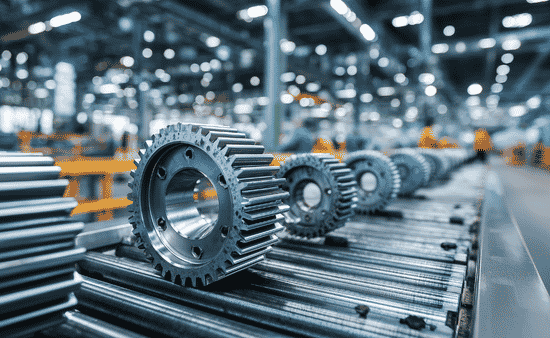
Incoming material inspection is one of the first and most critical steps in automotive quality control. Before any part enters the production line, manufacturers must verify that raw materials and components meet predefined specifications. This includes checking dimensions, material composition, and surface integrity. Early detection of defects prevents costly rework and ensures downstream processes run smoothly.
Advanced inspection tools such as automated scanners and AI-driven vision systems help improve accuracy and speed. By maintaining strict supplier standards and inspection protocols, manufacturers can significantly reduce variability and ensure consistency in vehicle production.
Process Control
Process control ensures that every stage of manufacturing operates within defined parameters. In automotive production, even minor deviations can lead to significant quality issues. Techniques such as statistical process control (SPC) allow manufacturers to monitor variations in real time and make immediate adjustments.
Automation plays a key role, enabling consistent welding, painting, and assembly operations. Standard operating procedures must be clearly documented and regularly updated. By maintaining tight control over production variables, manufacturers can achieve higher efficiency and reduce defect rates across the entire production system.
Equipment Calibration and Precision
Equipment calibration is essential for maintaining precision in automotive manufacturing. Machines used in cutting, welding, and shaping must be regularly inspected and calibrated to prevent deviations that could affect product quality. For example, machining tools used in engine component production require extremely tight tolerances.
Processes like horizontal milling help achieve high precision in shaping metal parts, but only when equipment is properly maintained. Calibration schedules should be strictly followed, and any worn-out tools should be replaced immediately. This ensures consistency, reduces downtime, and extends the lifespan of manufacturing equipment.
Final Inspection
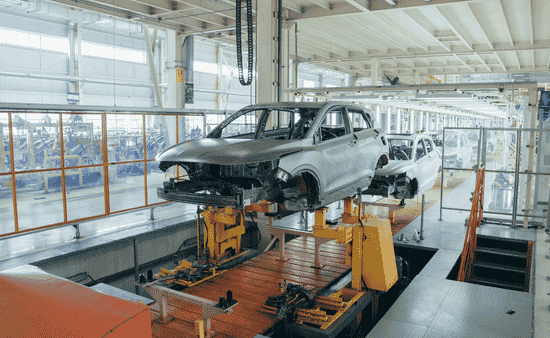
Final inspection is the last line of defense before vehicles reach customers. This stage ensures that all assembled components meet safety, performance, and aesthetic standards. Inspectors check for defects such as misalignment, surface imperfections, and electronic malfunctions.
Modern factories often use automated testing systems alongside human inspectors to improve accuracy. Rigorous testing under simulated driving conditions helps identify hidden issues. A strong final inspection process builds customer trust and reinforces the brand’s reputation for quality and reliability.
Continuous Improvement and Supplier Quality
Continuous improvement is a core principle in automotive manufacturing quality control. By analyzing production data, manufacturers can identify recurring issues and implement corrective actions. Lean manufacturing and Six Sigma methodologies are commonly used to reduce waste and improve efficiency.
Collaboration with suppliers is equally important, as high-quality inputs directly impact final product quality. Regular audits and feedback loops help maintain alignment across the supply chain. Ultimately, a culture of continuous improvement ensures long-term competitiveness and consistent delivery of high-quality vehicles.
Building a Culture of Excellence
Implementing strong quality control practices in automotive manufacturing is not a one-time effort but an ongoing commitment. As vehicles become more complex, manufacturers must continuously evolve their systems to keep up with new technologies, materials, and customer expectations.
Integrating digital tools such as real-time monitoring dashboards, predictive analytics, and AI-driven defect detection can significantly enhance decision-making on the production floor. At the same time, investing in workforce training ensures that employees understand both traditional inspection techniques and modern automated systems.
The combination of human expertise and advanced technology creates a more resilient and efficient manufacturing environment. Ultimately, companies that prioritize quality control not only reduce costs associated with recalls and rework but also strengthen their brand reputation in a highly competitive market.
By embedding quality into every stage of production, automotive manufacturers can consistently deliver safer, more reliable, and higher-performing vehicles that meet global standards while supporting innovation and sustainable manufacturing practices worldwide for future mobility growth globally.