
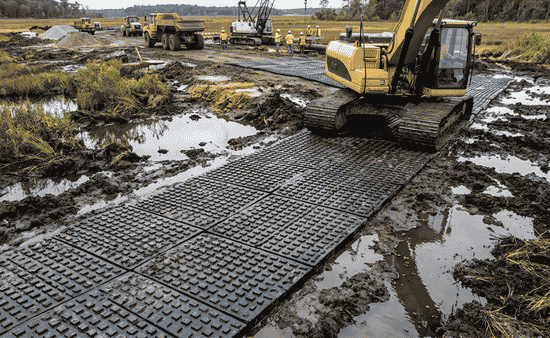
Ground protection solutions are essential for maintaining the integrity of surfaces in challenging environments. One effective product category includes bog mats, which are engineered to provide durable and reliable support on soft and uneven ground. These mats help prevent vehicles and heavy equipment from becoming stuck in boggy or marshy terrain, which is a common obstacle in construction, agriculture, and event management.
Understanding Bog Mats
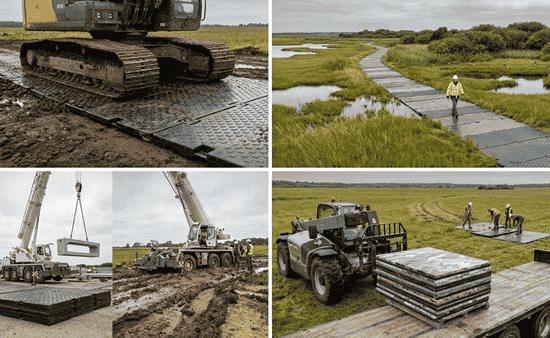
Bog mats are designed to distribute weight evenly across soft ground, minimising soil compaction and environmental damage. Their robust construction makes them ideal for temporary access routes, work platforms, and stabilising heavy machinery. They can be deployed quickly and removed without causing long-term harm to the underlying surface.
Materials and Construction
Most bog mats are manufactured using high-density polyethylene (HDPE), recycled rubber, or composite materials. HDPE bog mats are lightweight, resistant to chemicals, and possess excellent strength-to-weight ratios. Composite mats often combine fibres and plastics to enhance durability and flexibility. The choice of material largely depends on the specific requirements of the job site.
Key Advantages of Bog Mats
Bog mats provide several benefits, including:
- Enhanced ground stability for heavy vehicles
- Protection of sensitive ecological areas
- Reduction of machine downtime caused by bogged conditions
- Ease of transportation and installation
- Reusability across multiple projects
Applications of Bog Mats
Bog mats are widely used across multiple industries where ground conditions pose operational challenges. For instance, construction sites frequently encounter wet or unstable soil where access for machinery is necessary. Similarly, the oil and gas sector deploys bog mats to create safe pathways over marshlands and wet terrain.
Event organisers also benefit from implementing bog mats as ground protection at festivals and outdoor gatherings. They provide walkways and vehicle routes that mitigate damage to grass and soil, ensuring the site can recover quickly after the event concludes.
Choosing the Right Bog Mats for Sale
Selecting the proper bog mat depends on several factors, including ground conditions, equipment weight, and project duration. It is advisable to consider specifications such as load capacity, panel size, and surface texture to match the mat to operational needs effectively.
Purchasers should look for suppliers offering a comprehensive range of mats with transparent technical details and support services. Reliable suppliers often provide access to expert advice to help clients determine which bog mats suit their specific applications.
Where to Find Quality Bog Mats for Sale
Quality bog mats are available from specialised suppliers who focus on ground protection products. One reputable source for bog mats is bog mats for sale. This supplier offers a broad selection of durable mats suited to various industries, ensuring that customers can secure dependable ground stability solutions.
Maintenance and Reusability
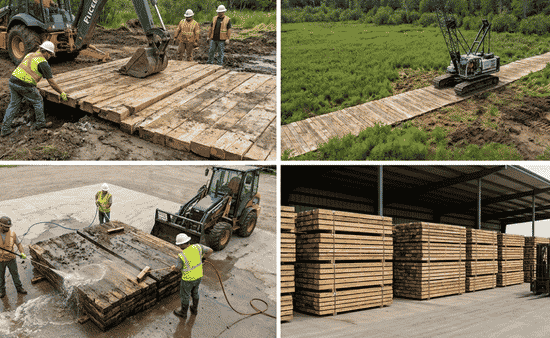
Proper maintenance of bog mats is essential to prolong their lifespan and ensure continued performance. After use, mats should be cleaned to remove soil and debris, inspected for damage, and stored in dry conditions. Due to their robust construction, most bog mats can be reused multiple times, contributing to cost savings over time.
Environmental Considerations
Using bog mats helps mitigate environmental impact by reducing soil disturbance and vegetation damage. Additionally, many mats are manufactured using eco-friendly materials or recycled content, making them a sustainable choice in ground protection strategies.
Installation Best Practices
For optimal results, bog mats should be installed on appropriately prepared ground. It is essential to level the surface where the mats will be placed and avoid overlapping or improper alignment, which can compromise stability. Regular monitoring during use ensures that mats remain secure and effective.
Comparing Bog Mats to Alternative Solutions
While timber boards and gravel can offer temporary ground support, bog mats outperform these alternatives due to their durability and ease of handling. Timber is susceptible to rot and may require disposal after use, whereas gravel can cause sediment tracking and environmental concerns.
Bog mats provide a cleaner, more efficient solution with fewer environmental drawbacks, making them the preferred choice in many professional contexts.
Cost Implications
Though the initial investment in bog mats may be higher than some temporary alternatives, the benefits of reduced downtime, equipment protection, and minimised environmental remediation often outweigh these costs. Furthermore, the reusability of mats contributes to economic efficiency across multiple projects.
Summary
Bog mats represent a vital component of ground protection in sectors facing challenging soil conditions. Their construction and design offer stability, environmental safeguarding, and operational reliability. For those seeking suitable options, exploring bog mats for sale is a prudent step towards securing effective ground protection solutions.