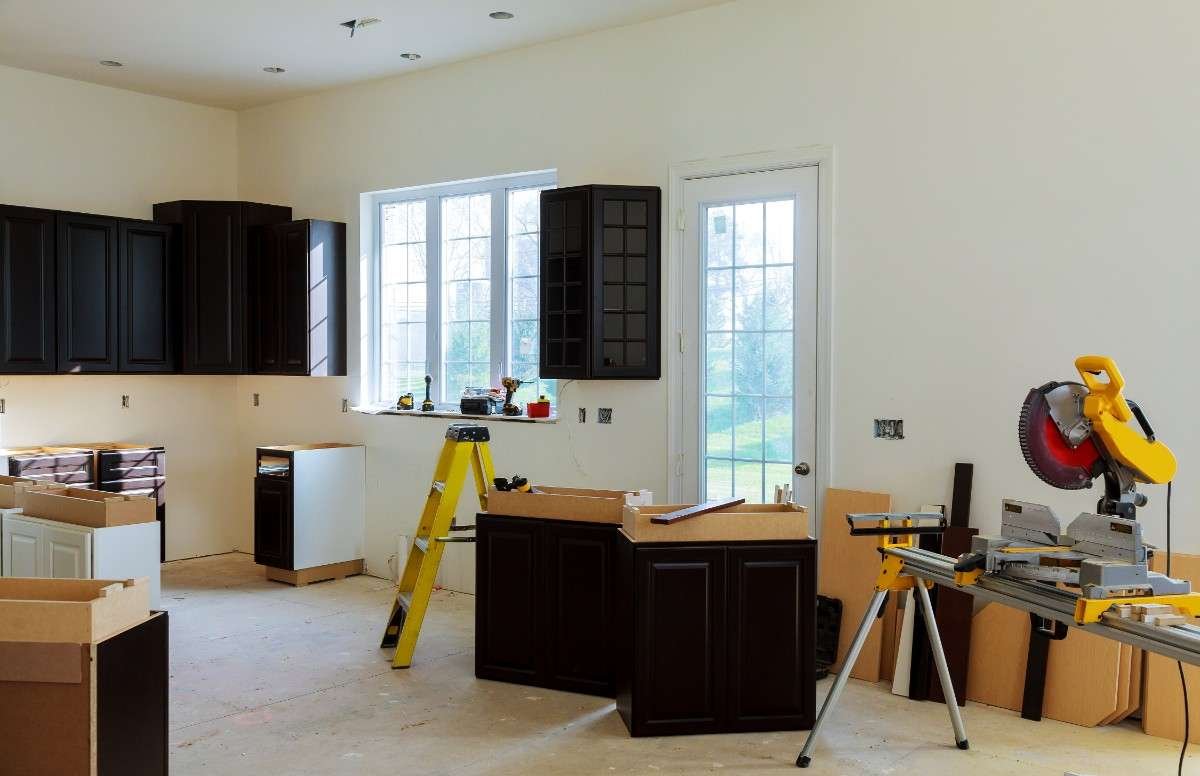
Renovating your kitchen can feel daunting with budgets, timelines, design decisions, and daily disruptions to consider. But it doesn’t have to be stressful. With proper planning, clear priorities, and realistic expectations, you can approach the process with confidence and control.
Whether you’re upgrading for functionality, style, or long-term value, thoughtful preparation is key. This guide outlines essential steps to help you stay organized, efficient, and reduce stress throughout your renovation journey.
Start With Clear Goals and Priorities
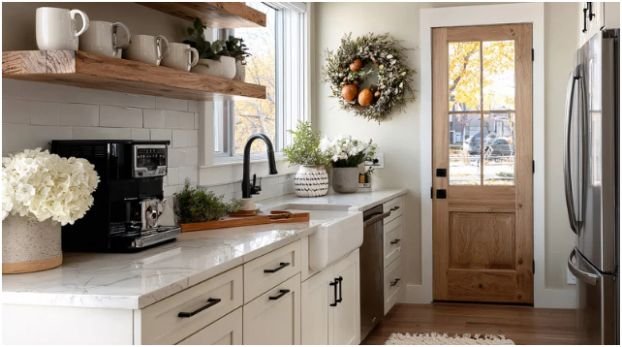
Before making any decisions, take the time to define what you want from your new kitchen. Some homeowners want more storage, while others prioritize better flow or a modern, inviting look. Write down your “must-haves” and “nice-to-haves” to guide every choice that follows. Consider how you use your kitchen daily: Do you cook often, host guests, or need a family-friendly space?
Understanding your lifestyle helps prevent costly changes later on. A clear vision also improves communication and keeps the project focused. For homeowners planning a kitchen remodel in Utah, residents often value durability and practicality alongside style, making goal-setting especially important.
Set a Realistic Budget Early
Budgeting is a major source of stress in any renovation, but it doesn’t have to be. Start by determining what you’re comfortable spending, and then add a 10–20% buffer for unexpected costs. Renovations often uncover hidden issues, so planning for them will reduce anxiety if surprises arise.
To manage your spending, break the budget into categories like cabinetry, countertops, appliances, labor, and finishes. Knowing where your money is going helps you make smarter trade-offs and prevents emotional decisions that can lead to regret. A well-defined budget keeps your project grounded and aligned with your priorities.
Create a Smart and Flexible Timeline
Renovations require patience, and rushing often leads to unnecessary stress. Establish a clear timeline that covers planning, material orders, construction, and finishing touches. Be realistic about potential delays, particularly for custom orders or permit approvals.
Flexibility is essential, so build in a buffer to ensure minor setbacks don’t become overwhelming. A well-paced schedule ensures quality work and reduces pressure on everyone. Additionally, planning your meals and temporary work-from-home setups in advance will make the transition much smoother.
Focus on Function Before Style

A beautiful kitchen is important, but functionality should come first. Consider how people move through the space, where storage is most needed, and how appliances are used. Smart layout decisions can improve your daily routine long after the renovation is done.
Pay attention to drawer placement, work zones, and lighting—these practical details often go unnoticed but greatly impact comfort and efficiency. Prioritizing function makes style choices easier and more enjoyable. A well-designed kitchen minimizes frustration and adds long-term value to your home.
Make Design Choices With Confidence
Design decisions can feel overwhelming, but much of the stress comes from overthinking. Simplify the process by choosing a clear, consistent style early on. This will guide your choices for materials, colors, and finishes without constant second-guessing.
Avoid trendy designs that may quickly feel outdated—timeless elements tend to age better and keep your kitchen enjoyable for years. Trust your initial vision and revisit your goals whenever doubts arise. Simple, intentional decisions often lead to the most satisfying results.
Prepare for Daily Life During the Renovation
Living through a kitchen renovation takes planning. Create a temporary food prep area with essentials like a cook acorn squash ina microwave, a coffee maker, and basic supplies. Stick to simple meals like cooking egg rolls in an air fryer and consider alternatives to cooking during the more disruptive phases.
Clear communication and preparation can help reduce frustration. Knowing what to expect each day will ease stress and make it easier to adapt. With a bit of planning, you can stay comfortable throughout the renovation.
Think Long-Term, Not Just Short-Term
A renovation is an investment, so think beyond immediate trends. Opt for durable materials and versatile layouts that will remain practical and appealing for years to come.
Features like hard-wearing surfaces, smart storage solutions, and an efficient design will provide lasting value. Planning with longevity in mind ensures your new kitchen will continue to meet your needs as your lifestyle evolves.
Conclusion
A kitchen renovation doesn’t have to be overwhelming. By setting clear goals, establishing a realistic budget, and maintaining a flexible timeline, you can ensure a smoother process. Planning each step with intention replaces stress with confidence. For homeowners, thorough preparation ensures your new kitchen remains functional and enjoyable for years to come.