I still remember the first time I had to figure out how to unclog a toilet on my own. I stood there in full disbelief, staring at the rising water like it was personally attacking me.
My plunger sat in the corner, looking more like a threat than a tool, and I had zero confidence in my plumbing skills. If you’ve ever been in that moment—the “please don’t overflow” prayer moment—trust me, you’re not alone.
Over time, I learned that unclogging a toilet doesn’t need drama. It just needs the right steps, the right tools, and a calm voice inside your head saying, “You’ve got this.” And today, I’ll walk you through everything that works.
Why Do Toilets Clog So Easily?
Toilets clog way more often than we expect, and most of the time, the cause is completely normal. Toilet paper clumps, low-flow flushing, or just simple everyday use can create blockages. When I figured this out, I stopped blaming myself and started focusing on technique instead of panic.
You don’t need to feel embarrassed about a clog. It happens to everyone. The real trick lies in knowing how different methods work and choosing the one that fits your situation. Once you understand the “why” behind clogs, you react faster and with less chaos.
The truth is that most clogs are soft blockages that respond well to plungers, hot water, or even that baking soda and vinegar combo you’ve probably used for cleaning. And when you know which clog you’re dealing with, you fix it like a pro.
What Tools Actually Help When You’re Figuring Out How to Unclog a Toilet?
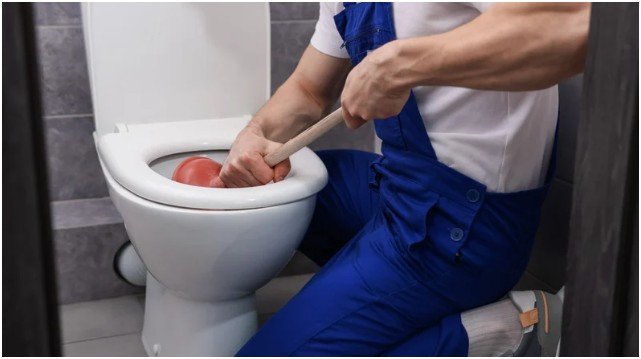
When I first got my own place, I underestimated how much a simple tool like a plunger could save my day. Now, I treat it like a household essential. But not all tools work the same, and some situations need backup options.
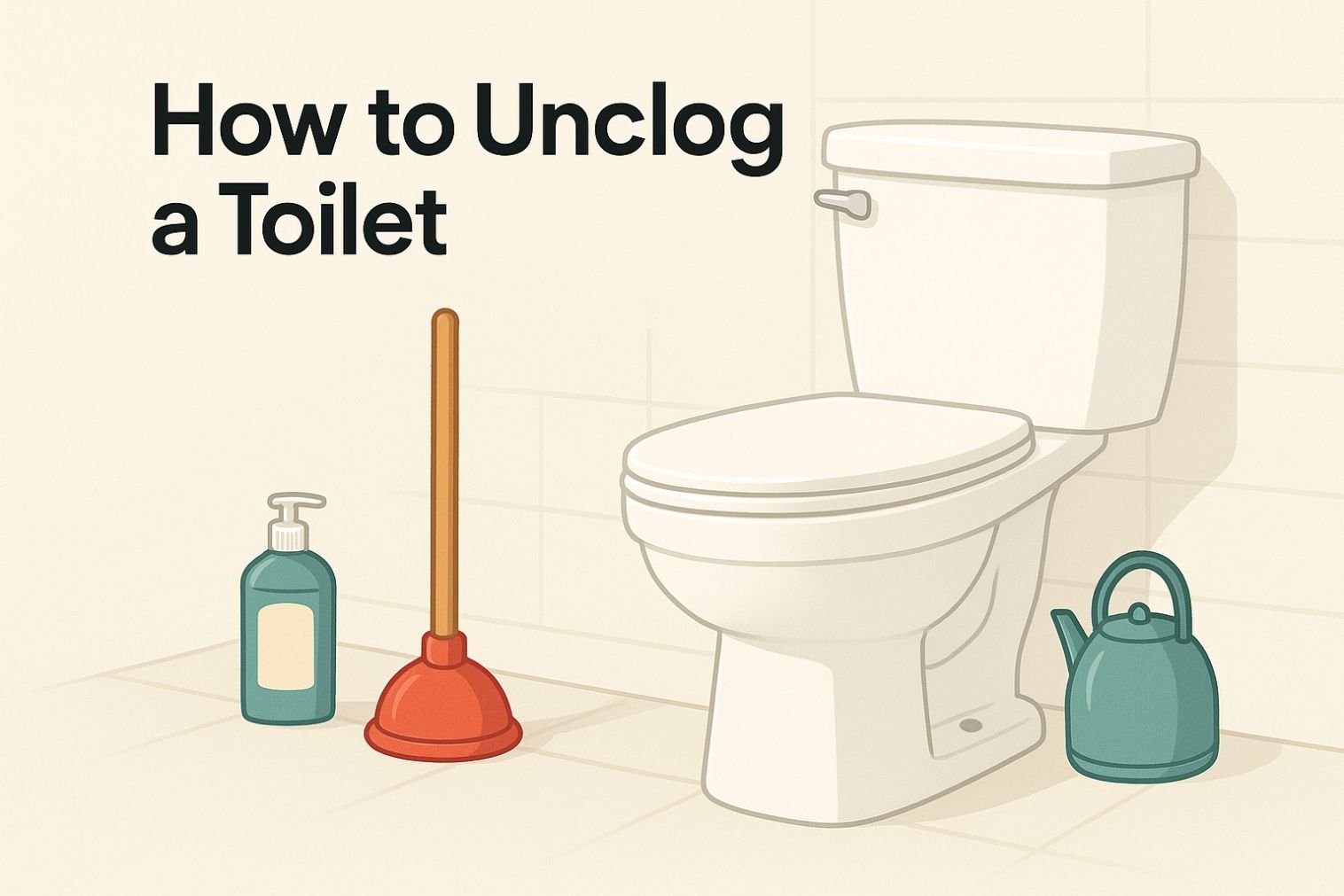
A flange plunger is the best for toilets because the extra rubber lip creates a tight seal. That seal makes the plunging motion much more effective and puts pressure where it needs to go.
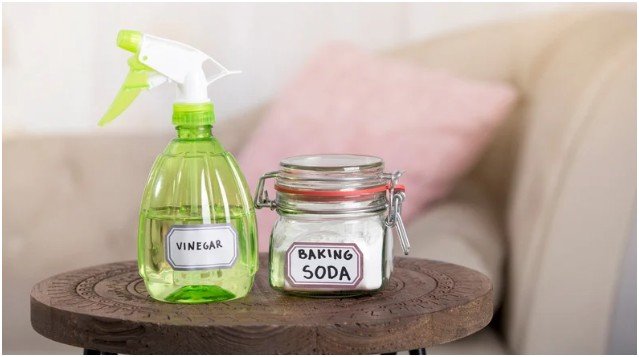
If you don’t have a plunger, your kitchen still comes to the rescue. Dish soap, hot water, and pantry staples like baking soda and vinegar can break down clogs better than you’d expect. They won’t fix everything, but for softer clogs, they work beautifully.
And when all else fails, the toilet auger steps in. This tool pushes through tougher blockages that sit deeper in the drain. It looks a little intimidating, but once you use it once, you realize it’s basically a flexible hero with a handle.
Quick Comparison Table: What Works Best?
| Method | Best For | Effort Level | Speed |
| Plunger | Most clogs (paper/waste) | Medium | Fast |
| Dish Soap + Hot Water | Soft clogs | Low | Moderate |
| Baking Soda + Vinegar | Light blockages | Low | Slow |
| Toilet Auger | Stubborn and deep clogs | High | Fast |
How to Unclog a Toilet When It Starts Rising (The “Don’t Overflow” Moment)
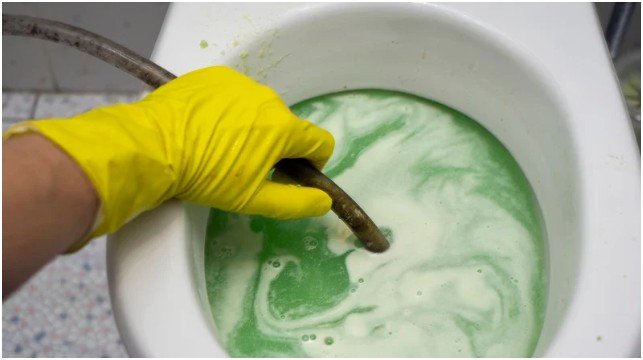
I’ve been in this situation too many times—flush, hesitation, swirl, rise. In that moment, you don’t have to freak out. You only need quick thinking and the right sequence.
First, stop the water flow. I learned that pressing down on the flapper inside the tank stops more water from entering the bowl. Turning off the water valve behind the toilet gives you complete control, so nothing surprises you while you work.
Next, make sure you actually have enough water in the bowl. Sounds strange, but plunging works best when the plunger head stays covered by water. Without that, you don’t get the pressure you need. Once everything is in place, plunging becomes your best friend.
The trick is to push gently at first so you don’t splash anything. Once the air escapes, you can use stronger motions. Each push and pull moves the clog until water finally drains like a sigh of relief.
How to Unclog a Toilet Without a Plunger (Yes, It’s Possible!)
The first time I tried unclogging without a plunger, I didn’t expect much. But dish soap shocked me. That slick, slippery texture helps break down clogs and lubricates the drain.
I pour about half a cup of dish soap into the bowl and give it a moment to settle. Then, I warm up a gallon of water—not boiling, just hot like a good cup of tea. Pouring it from waist height creates natural pressure that encourages movement through the drain.
Sometimes I add baking soda and vinegar when I want extra power. The fizz works into the blockage, softening it while the water level slowly drops. I leave it alone for 20–30 minutes, and more often than not, the clog loosens enough to flush.
This method doesn’t work for hard objects, but for regular clogs? It’s surprisingly effective.
How Do You Use a Toilet Auger When Nothing Else Works?
A toilet auger looks intense, but once I learned how to use it, I felt unstoppable. I pull the cable back into the handle, insert the end carefully into the drain, and slowly crank the handle clockwise. When I feel resistance, I know I’ve reached the clog.
The spinning action either breaks the clog apart or hooks onto it so I can pull it out. It’s not glamorous, but it’s extremely satisfying. Once the obstruction clears, water drains instantly. A few flushes afterward confirm that everything flows the way it should.
I reach for an auger when I’ve tried plunging and soap methods and the toilet still refuses to cooperate. It solves issues most household tricks can’t touch.
How-To: My Step-by-Step Method for How to Unclog a Toilet Successfully
When I tackle a clog, I follow a straightforward flow that prevents messes and speeds up success.
I start by stopping the water flow so the situation doesn’t escalate. Then I assess the clog by checking how the water behaves. If I see water draining slowly, I try dish soap and hot water first because it’s gentle and effective for lighter blockages.
If nothing changes, I move on to plunging. I work in sets of 10–12 pushes, maintaining a strong seal. Once I notice drainage improving, I flush the toilet to test the outcome.
Only after those two methods fail do I bring out the auger, because it demands more effort but gives reliable results. By the time I finish, the toilet flushes better than before the clog happened.
FAQs About How to Unclog a Toilet
1. What if my toilet keeps clogging even after I fix it?
If you unclog the toilet repeatedly and the problem comes back, something deeper may cause the blockage. You might have too little water pressure in your flush, a partial obstruction further down the pipe, or buildup in the drain. You can try an auger again for a deeper reach, but if the problem continues, a plumber can check the line to prevent long-term issues.
2. Can hot water crack a toilet?
Yes, extremely hot or boiling water can crack porcelain because of sudden temperature changes. I always make sure the water stays hot—but never boiling—so I get results without risking any damage. Hot water that feels like tea works perfectly.
3. What do I do if a hard object is stuck in the toilet?
If a toy, toothbrush, or solid object blocks the drain, plungers and soap won’t help. An auger might hook onto it, but in some cases, you need a plumber so the object doesn’t damage the pipe. I avoid flushing again in these situations because water overflow becomes more likely.
4. Why does my plunger not work sometimes?
Your plunger needs a good seal to create pressure. If there isn’t enough water in the bowl or if you’re using the wrong plunger type, it won’t work well. A flange plunger works best for toilets because the extended lip fits into the drain and forms that tight seal you need.
Alright, Toilet—We Win This Round
Clogs feel annoying in the moment, but knowing how to unclog a toilet gives you confidence every time you hear that suspicious slow swirl. Once you master plungers, soap tricks, and augers, nothing in the bathroom catches you off guard.
My personal tip? Keep a good plunger nearby, treat dish soap like your secret weapon, and never underestimate the power of staying calm when water rises. You’re fully equipped now—and your toilet doesn’t stand a chance.