
Effective water management is vital in modern agriculture. By delivering the right amount of water at the right time with minimal waste, farmers can optimize nutrient uptake, prevent soil erosion, and ensure consistent crop quality. However, the variety of available technologies makes choosing the right irrigation system difficult.
Types of Irrigation Systems
Agriculture has come a long way from simple flood techniques. Modern systems are designed to address specific challenges, from uneven terrain to water scarcity. Understanding the mechanics of each system is the first step toward optimization.
Drip Irrigation
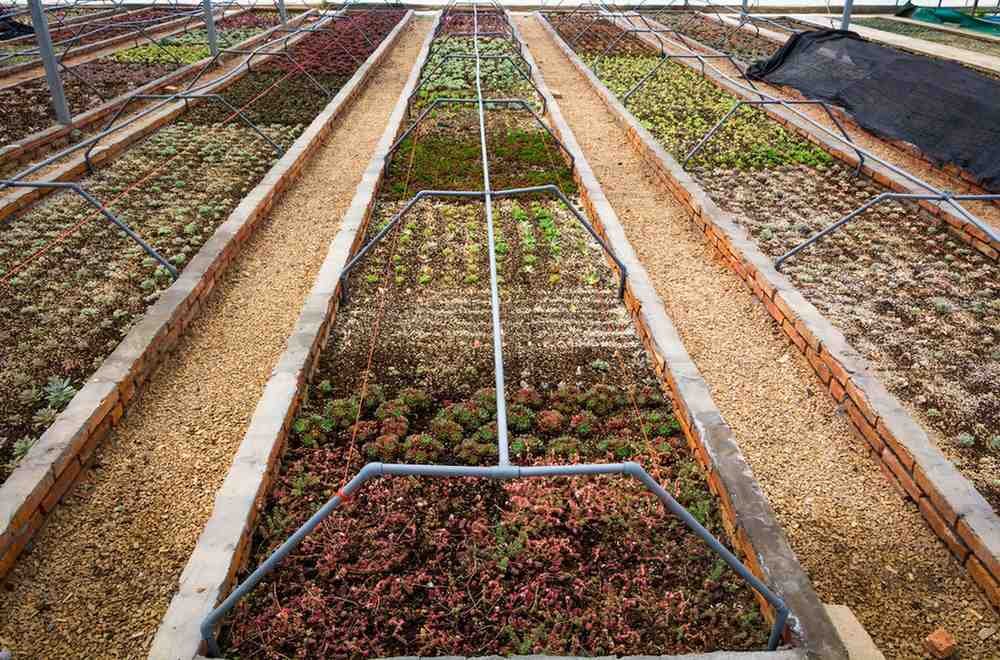
Drip irrigation, often referred to as trickle irrigation, is widely considered the most efficient method available today. It involves a network of valves, pipes, tubing, and emitters that deliver water directly to the base of the plant or into the root zone.
The primary advantage here is precision. Because water is applied slowly and directly to the roots, evaporation and runoff are virtually eliminated. This method is particularly effective for row crops like vegetables, soft fruits, and tree orchards. It also reduces the spread of fungal diseases since the foliage stays dry. While the initial installation cost and labor can be higher than other systems, the long-term savings on water and energy often justify the investment.
Sprinkler Systems
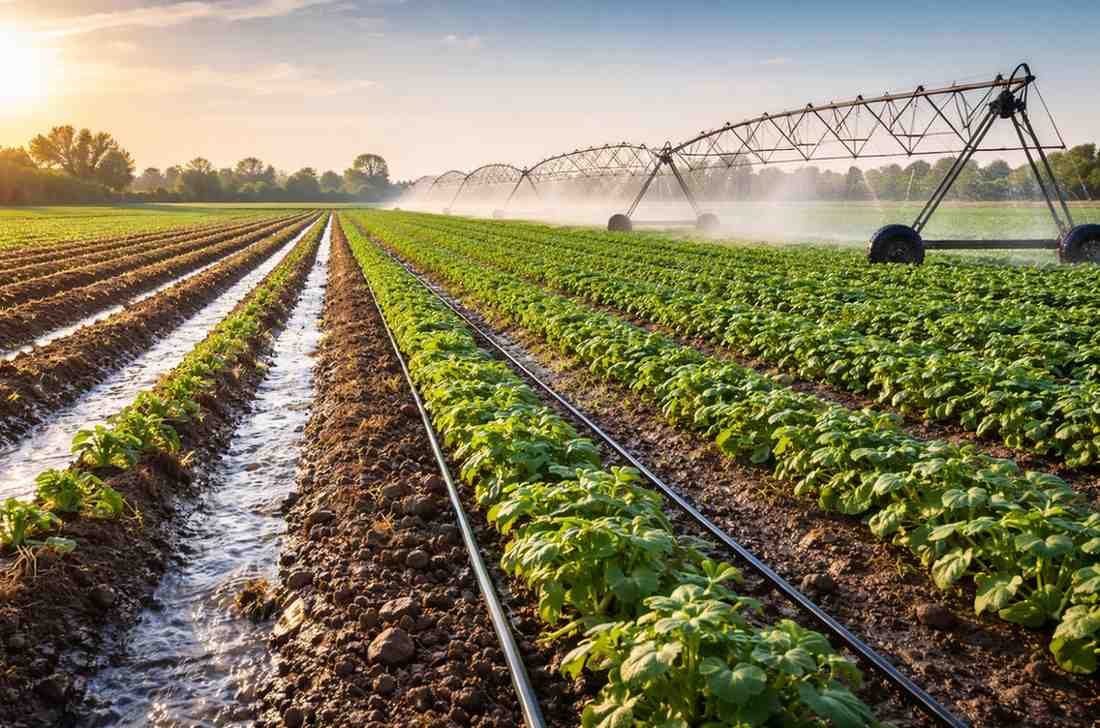
Sprinkler irrigation mimics natural rainfall. Water is pumped through a system of pipes and sprayed into the air through sprinklers, breaking up into small water drops that fall to the ground. This category covers a vast range of equipment, from simple hand-move setups to massive center-pivot systems.
Center-pivot irrigation is a common sight in large-scale farming. These systems consist of a long lateral pipe supported by towers that rotate around a central pivot point. They are highly automated and can cover huge areas of land with minimal labor. Sprinkler systems are generally adaptable to most soil types, but they are less efficient in windy conditions or high temperatures where evaporation becomes a significant factor.
Surface Irrigation
Surface irrigation is the oldest form of watering crops and relies on gravity to distribute water across the field. This usually takes the form of furrow irrigation (flooding trenches between crop rows) or basin irrigation (flooding an entire area confined by berms).
While it requires very little investment in mechanical equipment, surface irrigation is often the least efficient regarding water use. It relies heavily on the topography of the land; if a field isn’t perfectly leveled, water distribution will be uneven, leading to some plants drowning while others dry out. However, for farmers with flat land and abundant, inexpensive water access, this remains a viable, low-tech option.
Factors to Consider When Choosing an Irrigation System
There is no “one-size-fits-all” solution in agriculture. A system that produces record yields for a corn farmer in Nebraska might be a disaster for a vineyard owner in California. To make the right choice, you must evaluate several specific environmental and operational factors.
Climate
Your local weather patterns play a massive role in system selection. In arid, windy regions, overhead sprinklers lose a significant amount of water to evaporation and wind drift before it even hits the ground. In these environments, drip systems or low-energy precision application (LEPA) sprinklers are superior choices. Conversely, in humid areas where evaporation is less of a concern, overhead systems may be more cost-effective.
Soil Type
Soil texture determines how water moves through your field and how much it can hold.
- Sandy Soil: This soil has a low water-holding capacity and high infiltration rate. Water sinks straight down. Surface irrigation is often ineffective here because the water drains away before it can reach the end of the furrow. Sprinklers or drip systems that apply water frequently but in smaller amounts are ideal.
- Clay Soil: Heavy clay holds water well but has a slow infiltration rate. Applying water too quickly (like with high-pressure sprinklers) can lead to runoff and pooling. Drip irrigation or slow-flow surface methods work best here to allow time for absorption.
Crop Type
Different plants have different root structures and water needs. Deep-rooted crops like alfalfa can tolerate less frequent, heavy watering. Shallow-rooted vegetables need frequent, light moisture. Furthermore, some crops are sensitive to wet foliage, which can encourage mold and rot; for these plants, under-canopy sprinklers or drip lines are safer than overhead spraying.
You must also consider your water source. Before installing a system, you must assess your water source reliability. Whether you rely on a local reservoir or are looking into well drilling in Utah, the quality and quantity of your water supply dictates which system you can support. High-salinity water, for example, can be damaging if applied via overhead sprinklers (causing leaf burn) but might be manageable with drip irrigation that pushes salts to the edge of the wetting zone.
Maintenance and Best Practices
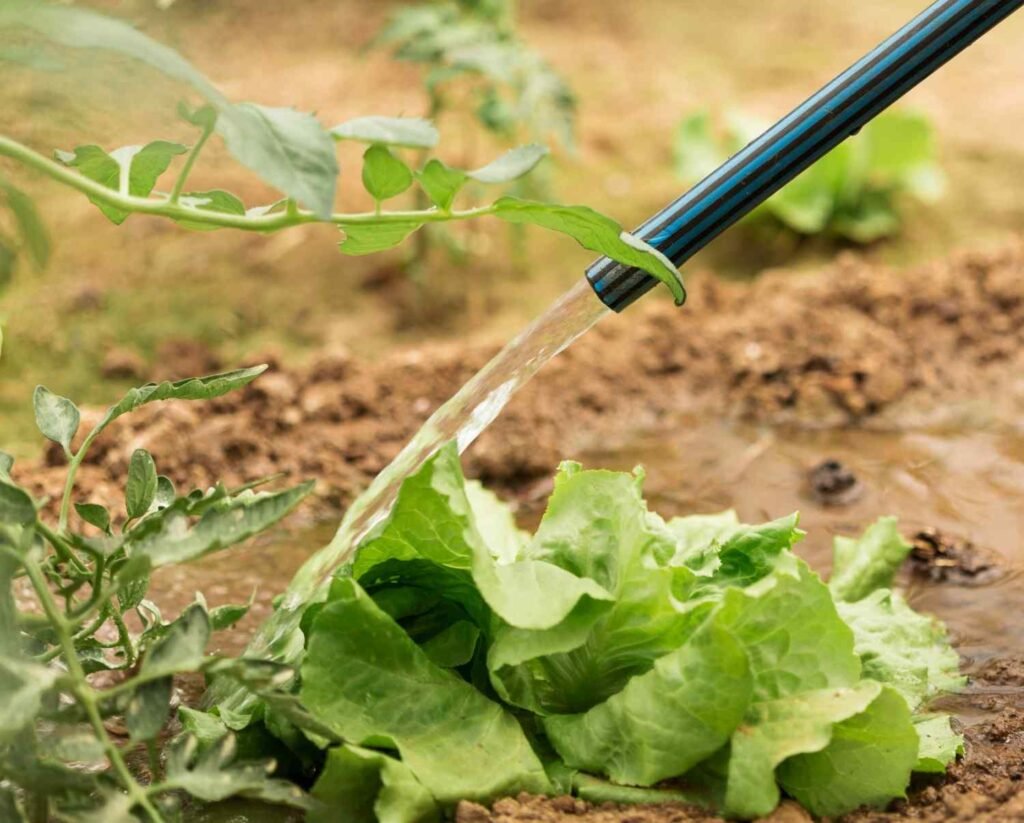
Installing the system is only the beginning. To maintain efficiency and prolong the lifespan of your equipment, a rigorous maintenance schedule is required.
Filtration is non-negotiable. Even the cleanest-looking water can contain sediment, algae, or mineral deposits that will clog drip emitters and sprinkler nozzles over time. Regularly flushing lines and cleaning filters ensures consistent pressure and flow rates.
Inspect for leaks. A single leak in a pressurized system can waste thousands of gallons of water and depressurize the rest of the line, leading to underwatering elsewhere in the field. Walk the lines regularly and monitor pressure gauges for unexplained drops.
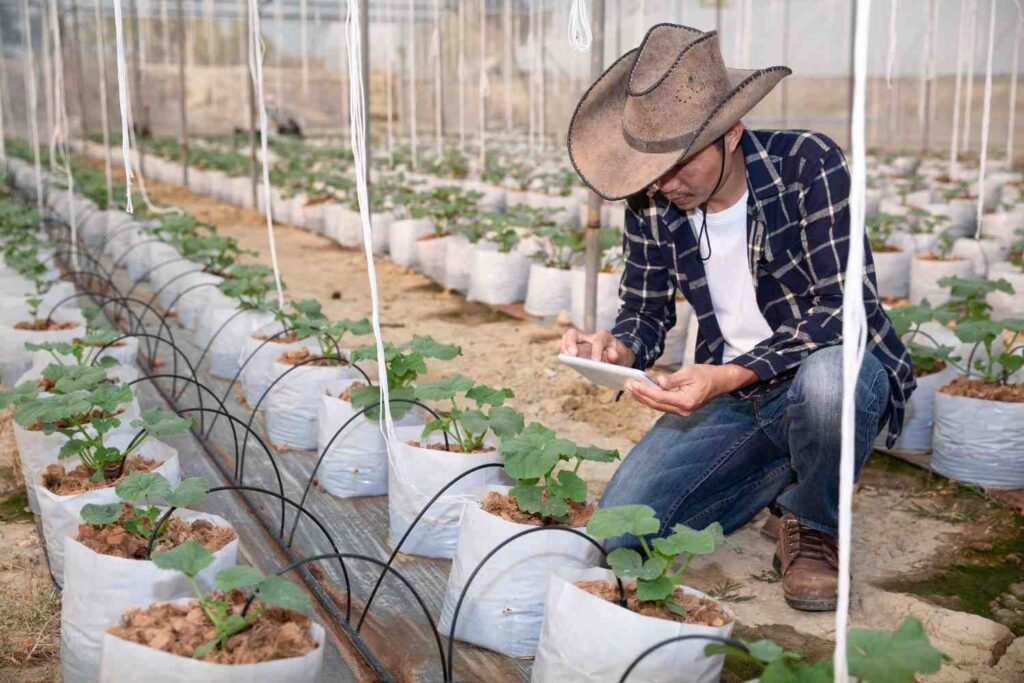
Schedule based on data. Avoid watering on a fixed schedule regardless of conditions. Use soil moisture sensors and weather data to determine exactly when your crops need water. This prevents overwatering, which leaches nutrients out of the soil and wastes money.
Winterization. In colder climates, water left in pipes and pumps can freeze, expand, and shatter equipment. properly draining and blowing out lines at the end of the harvest season is essential to avoid costly repairs in the spring.
Conclusion
As water sources shrink and climate change intensifies, the future of farming depends on efficient water use. Proper irrigation is key to farm stability. By selecting the right irrigation system for your needs and maintaining it regularly, you build a resilient farm that can handle future challenges and ensure long-term success.