
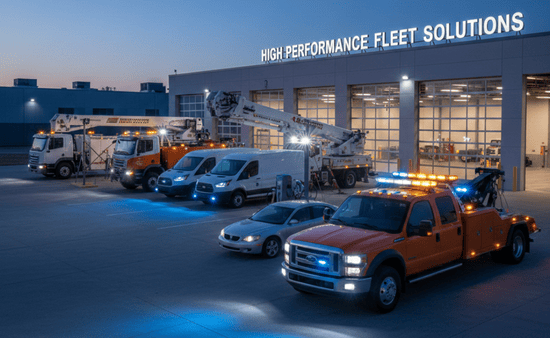
When we talk about fleet readiness, the conversation often revolves around engine maintenance, tire rotation, and fuel efficiency. While these mechanical aspects are undeniably critical, one component frequently flies under the radar until a failure occurs: lighting.
Lighting is more than just a regulatory requirement or an aesthetic choice; it is a fundamental safety system that directly impacts operational readiness. For fleet managers, ensuring that every vehicle is equipped with high-performance lighting isn’t just about avoiding tickets—it’s about ensuring that drivers can perform their jobs safely and effectively, regardless of the time of day or weather conditions. From long-haul trucks to emergency response vehicles, the quality of illumination can be the deciding factor in preventing accidents and reducing downtime.
High-performance lighting systems offer durability, visibility, and energy efficiency that standard halogen bulbs simply cannot match. By prioritizing superior lighting solutions, fleets can significantly enhance their operational capabilities.
The Cost of Poor Visibility
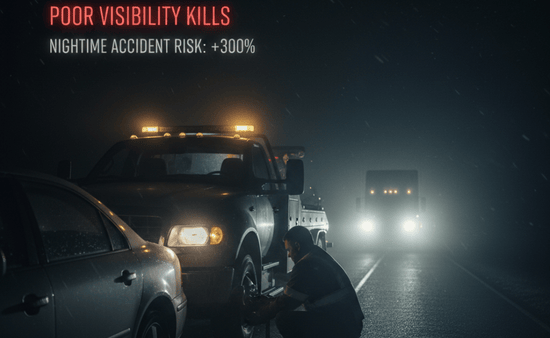
The most immediate risk associated with inadequate lighting is safety. Statistics consistently show that a disproportionate number of accidents occur at night or in low-light conditions. When a driver cannot see the road clearly, or when other motorists cannot see the fleet vehicle, the risk of collision skyrockets.
However, the “cost” extends beyond safety hazards. Poor visibility leads to slower operations. Drivers forced to navigate dark work zones or unlit rural roads without adequate illumination must drive slower and work more cautiously, reducing overall productivity. For service vehicles that operate on the roadside, such as tow trucks or utility repair vans, being seen is a matter of life and death. If a tow truck light bar is dim or malfunctioning, it endangers the operator and the stranded motorist they are trying to assist.
Furthermore, frequent burnouts of low-quality bulbs lead to increased downtime. Every time a vehicle is pulled off the road for a minor repair like a headlight replacement, it eats into the fleet’s profitability.
Durability in Demanding Environments
Fleet vehicles rarely operate in pristine conditions. They face vibration, extreme temperatures, moisture, and impact from road debris. Standard lighting solutions are often the weak link in this chain, susceptible to filament breakage from vibration or corrosion from water ingress.
High-performance LED lighting has revolutionized fleet readiness by addressing these specific vulnerabilities. Unlike traditional incandescent or halogen bulbs, LEDs are solid-state devices. They have no delicate filaments to break, making them exceptionally resistant to shock and vibration. This ruggedness is essential for construction vehicles traversing rough terrain or delivery trucks hitting potholes daily.
Investing in lighting with high IP (Ingress Protection) ratings ensures that water and dust stay out of the housing. This prevents the internal fogging and electrical shorts that often plague cheaper lights. When a fleet manager installs a light that is rated for 50,000 hours of use, they are effectively removing “light bulb changes” from the monthly maintenance schedule, keeping vehicles on the road where they belong.
Energy Efficiency and Electrical Load
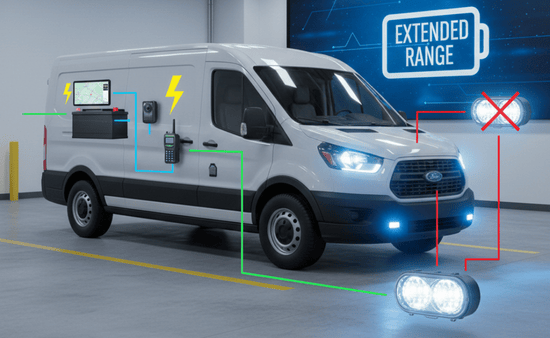
Modern fleet vehicles are increasingly burdened with electrical accessories. GPS systems, telematics, dash cams, and communication radios all draw power from the vehicle’s alternator and battery. Adding high-draw halogen lighting to this mix can strain the electrical system, potentially leading to battery failure or alternator burnout.
High-performance LED lighting solves this equation by delivering superior lumen output with a fraction of the power draw. This efficiency reduces the overall load on the vehicle’s electrical system, leaving ample power for other critical onboard technologies. For electric vehicle (EV) fleets, this efficiency is even more paramount, as every amp saved contributes to extended range.
Enhancing Work Zone Safety
For fleets that perform work while stationary—such as utility trucks, waste management vehicles, and roadside assistance—scene lighting is just as important as headlights. A well-lit work zone allows operators to perform tasks accurately and safely.
High-performance scene lights provide broad, even illumination without the harsh glare that can blind workers or passing motorists. Color temperature also plays a role; lights that mimic daylight (around 5000K-6000K) reduce eye strain and allow workers to see colors accurately, which is crucial when dealing with color-coded wiring or safety signage.
This is where specific equipment choices matter. A high-quality tow truck light bar doesn’t just flash to warn traffic; modern iterations often include takedown lights and alley lights that illuminate the immediate workspace, turning a dark roadside shoulder into a safe operating environment.
Standardization and Compliance
Maintaining fleet readiness also involves regulatory compliance. Department of Transportation (DOT) regulations and SAE standards dictate specific requirements for brightness, color, and beam pattern. Non-compliant lighting can lead to hefty fines and vehicles being placed out of service during roadside inspections.
High-performance lighting manufacturers design their products to meet or exceed these standards. By standardizing high-quality lights across the fleet, managers can streamline inventory. Instead of stocking dozens of different bulb types and cheap replacement lenses, the parts room can carry a smaller selection of reliable, compliant LED fixtures. This standardization simplifies maintenance and ensures that every vehicle that leaves the yard is fully compliant with federal and state laws.
Lighting the Way Forward
Ultimately, lighting should be viewed as a strategic asset rather than a commodity. The shift toward high-performance LED technology offers tangible returns on investment through reduced maintenance costs, lower fuel consumption (via reduced electrical load), and fewer accidents.
Fleet readiness is about minimizing friction in operations. It means knowing that when a key turns in the ignition, the vehicle is ready to perform safely and reliably. By upgrading to durable, efficient, and compliant lighting solutions, fleet managers can eliminate one of the most common causes of vehicle downtime and safety incidents. It is a bright idea that pays dividends with every mile driven.