
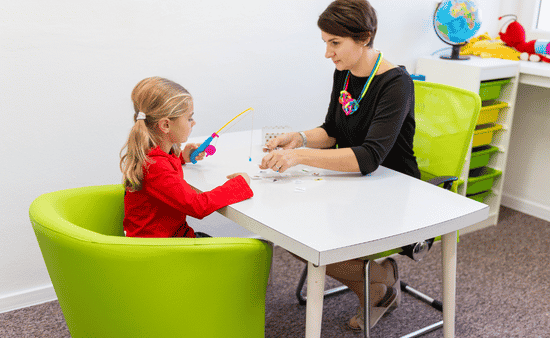
Occupational therapy is a specialised form of therapy focused on helping individuals develop, recover, or maintain meaningful activities, or occupations. For children, occupational therapy plays a crucial role in supporting their development and enabling them to participate fully in daily life. This type of therapy addresses not only physical needs but also cognitive, sensory, and social components which are essential for overall growth.
Understanding Occupational Therapy for Children
The primary aim of occupational therapy for children is to assist them in achieving independence in their everyday activities. These activities range from basic self-care tasks such as dressing and feeding to more complex skills like handwriting, social interaction, and play. Occupational therapists work with children who may have developmental delays, physical disabilities, sensory integration issues, or social-emotional difficulties.
Enhancement of Motor Skills
One of the fundamental benefits of occupational therapy is the development of fine and gross motor skills. Fine motor skills involve small movements using the hands and fingers, which are essential for writing, buttoning clothes, or using utensils. Gross motor skills involve larger movements such as running, jumping, and balancing. Therapists design activities and exercises tailored to the child’s needs, improving coordination and strength.
Support for Sensory Processing Challenges
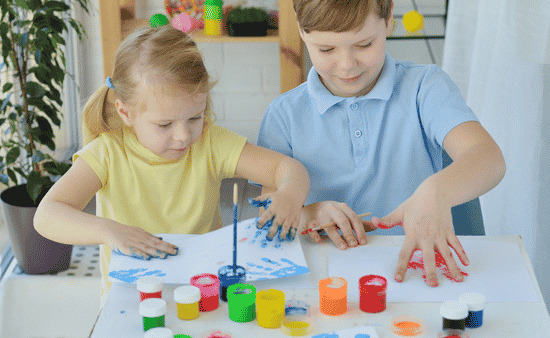
Sensory processing difficulties can significantly impact a child’s ability to engage in daily activities. Some children may be over-sensitive to touch, sound, or light, while others may not respond adequately to sensory stimuli. Occupational therapy helps children regulate their sensory inputs, enabling them to adapt better to their environment and improve focus and behaviour.
Promotion of Cognitive Development
Occupational therapy also aids cognitive growth by enhancing skills such as attention, memory, problem-solving, and executive functioning. These are critical for academic success and social understanding. Therapists employ various strategies and games to stimulate these areas, fostering better learning outcomes and confidence in children.
Facilitation of Social Skills
Social interaction is a critical developmental milestone for children. Those with conditions such as autism spectrum disorder may face challenges in this area. Occupational therapy includes social skills training that assists children in understanding social cues, taking turns, sharing, and developing friendships. This support helps improve peer relationships and emotional well-being.
Encouragement of Independence
Independence is a significant goal of occupational therapy for children. Developing self-care abilities such as dressing, personal hygiene, and meal preparation provides children with confidence and reduces reliance on caregivers.
Through tailored interventions, therapists empower children to perform daily tasks autonomously. These efforts can be further supported by approaches such as Gentle Parenting, which encourages patience, positive communication, and age-appropriate independence, helping children build confidence and essential life skills in a nurturing environment.
Improvement in Academic Performance

Many children struggle with handwriting, concentration, and organisation, which impact academic success. Occupational therapy can identify and address these difficulties by including exercises that enhance hand-eye coordination, visual perception, and attention span. As a result, children become more adept at classroom tasks, improving their academic achievement.
Management of Developmental Delays
Children who experience delays in reaching developmental milestones benefit significantly from occupational therapy. Early intervention allows therapists to work on movement, communication, and self-care skills at a critical period in development. This proactive approach can often reduce the severity of delays and improve long-term outcomes.
Support for Physical Disabilities
Children with physical disabilities due to injury or congenital conditions often face challenges with mobility and performing daily activities. Occupational therapists assess their unique needs and provide adaptive techniques and devices to maximise independence and safety. This may include training in the use of assistive technology or modifications at home and school.
Addressing Emotional and Behavioural Challenges
Occupational therapy also addresses emotional regulation and behaviour management. Therapists help children develop coping strategies to manage anxiety, frustration, or behavioural outbursts that may interfere with participation in daily activities. This assistance contributes to improved self-control and emotional resilience.
Improved Quality of Life
By focusing on enhancing essential life skills, occupational therapy contributes to a better overall quality of life for children. It encourages participation in hobbies, social activities, and schooling, which are vital for a child’s happiness and development. Families also benefit from the support and guidance provided throughout the therapeutic process.
Collaborative Approach with Families and Schools
Successful occupational therapy often involves collaboration with parents, caregivers, and educational staff. Therapists provide strategies and resources to these stakeholders to ensure consistent support across different environments. This joint effort maximises therapeutic outcomes and reinforces the child’s progress.
Prevention of Future Difficulties
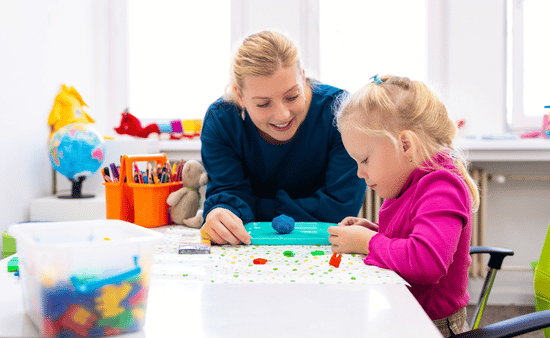
Early occupational therapy can help prevent secondary complications related to physical or developmental challenges. For example, improving posture and motor skills reduces the risk of injury and chronic pain. Additionally, addressing sensory or behavioural issues early on decreases the likelihood of academic or social failure later in life.
Customised Therapy Plans
No two children are the same, and occupational therapy recognises this through individualised plans tailored to each child’s strengths, weaknesses, and interests. Assessments are comprehensive, and therapy is adapted continuously to meet evolving needs, ensuring the best possible outcomes.
Access to Professional Expertise
Occupational therapists possess specialised training to understand how various conditions affect a child’s ability to function. Their expertise allows them to identify underlying issues that might not be immediately apparent and develop effective interventions. Families benefit from this professional guidance and feel supported throughout the process.
Advancement of Life Skills for Long-Term Success
Ultimately, occupational therapy for children is a foundation for long-term well-being and independence. Skills learned in therapy assist children not only in childhood but also as they transition into adulthood. These competencies support education, employment, and social participation, contributing to a fulfilled life.
In conclusion, the benefits of occupational therapy for children are extensive and multifaceted. From improving motor skills and sensory processing to fostering social and cognitive abilities, occupational therapy equips children with the tools they need to thrive. Those interested in learning more about how occupational therapy can support their child’s development should consider consulting with specialised professionals in the field for tailored advice and intervention.