
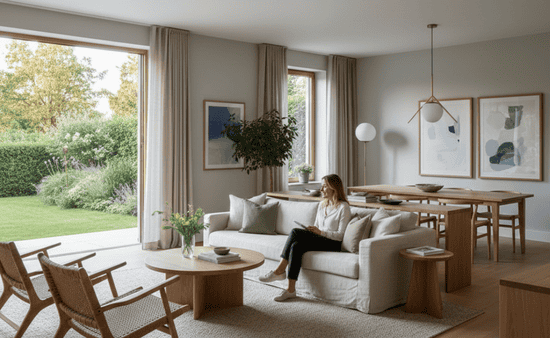
Have you ever walked into a home and immediately felt a sense of calm? You might not be able to pinpoint exactly why. The furniture isn’t necessarily brand new, and the art might be understated, yet everything feels right. You can move freely. The conversation flows easily. The room feels expansive yet intimate.
This isn’t magic. It is the result of expert space planning.
While many people mistake interior design for the selection of fabrics, paint colors, and decorative accents, the true foundation of a beautiful home lies in the layout. Space planning is the invisible structure that dictates how a home functions. It is the difference between a house that looks good in photos and a home that feels good to live in. When done correctly, it elevates your daily routine, turning mundane tasks into seamless experiences and chaotic gatherings into harmonious memories.
The Foundation of Functionality
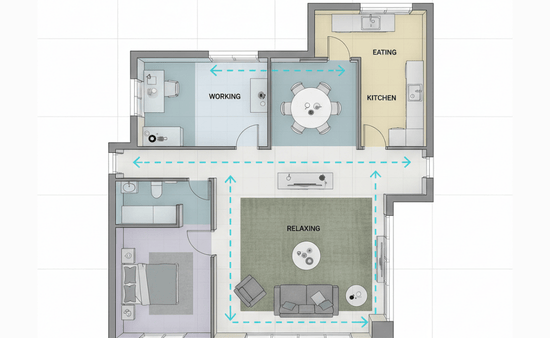
Before a single piece of furniture is purchased, a professional designer looks at the “bones” of a room. They analyze the architecture, the light sources, and, most importantly, the lifestyle of the inhabitants.
Space planning is essentially a puzzle. It involves organizing furniture and decor to work effectively within the physical constraints of a room while maximizing comfort. It’s about creating designated zones for specific activities—sleeping, working, eating, and relaxing—and ensuring there is a logical flow between them.
The primary goal is to establish clear circulation paths. These are the “roadways” of your home. If you have to shuffle sideways to get past a sofa or walk around a massive dining table to reach the kitchen, the space planning has failed. Expert planning ensures you can move through your home without obstruction, which subconsciously reduces stress and increases the feeling of ease.
Mastering Scale and Proportion
One of the most common mistakes homeowners make is misjudging scale. A sprawling sectional might look incredibly comfortable in a showroom, but if it swallows your living room, it will make the space feel claustrophobic. Conversely, placing dainty, small-scale furniture in a grand, high-ceilinged room can make the arrangement look cluttered and lost.
Elevated living requires a keen eye for proportion. It is about the relationship between items. A coffee table should be roughly two-thirds the length of your sofa. An area rug should be large enough that the front legs of all furniture sit on it, grounding the conversation area.
This balance extends to “negative space”—the empty areas around objects. In music, the silence between notes is as important as the notes themselves. In design, the empty space allows the eye to rest. It prevents visual fatigue and highlights the beauty of the pieces you have chosen to display. By resisting the urge to fill every corner, you allow the room to breathe.
Harnessing Natural Light and Views
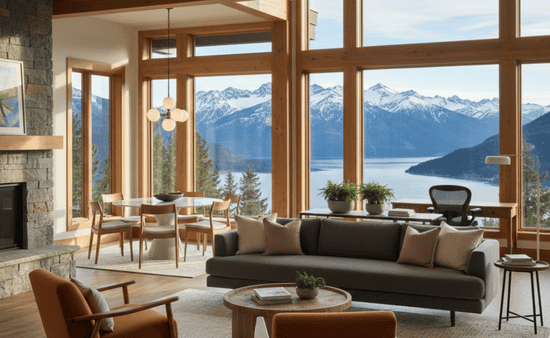
Light changes everything. A well-planned space takes into account how natural light moves through a room during the day.
Designers will position key furniture pieces to capitalize on these natural assets. A reading nook is best placed near a morning sun trap, while a media center needs to be positioned to avoid afternoon glare.
If you are lucky enough to have a home with a stunning vantage point, the furniture layout should honor that. For example, projects focused on interior design in Alpine often prioritize distinct focal points: the fireplace and the mountain view. The challenge—and the art—lies in positioning seating so that it encourages conversation while still maintaining a connection to the landscape outside. The layout connects the interior experience with the exterior environment, blurring the lines between the two.
Defining Zones in Open Concepts
Open-concept living remains a popular choice, but it presents unique challenges. Without walls to define rooms, a large open space can easily feel like a gymnasium—cold and undefined.
Expert space planning uses furniture and accessories to create “rooms within rooms.” A console table placed behind a sofa can act as a divider between a living area and a dining space. A large area rug can visually assert that “this is where we relax,” separate from the kitchen island where food is prepped.
Lighting also plays a crucial role here. A low-hanging pendant light over a dining table creates an intimate zone for eating, distinguishing it from the brighter task lighting of the adjacent kitchen. These subtle cues tell our brains how to behave in different parts of the open space, bringing order to the openness.
The Psychology of Flow
Ultimately, the way we arrange our spaces affects how we interact with each other. If seating is pushed against the walls (a common default layout), it creates a void in the center of the room that discourages intimacy. It feels like a waiting room.
To elevate your living experience, pull furniture away from the walls. Floating a sofa in the center of the room, anchored by a rug and paired with armchairs, creates a “conversation circle.” This layout invites people to sit down, lean in, and connect. It fosters engagement.
This psychological impact applies to private spaces as well. A bedroom layout that positions the bed to face the door (the “command position”) taps into a primal need for security and safety, leading to deeper rest.
Transforming Your Daily Experience
We spend the vast majority of our lives indoors. The quality of that environment has a direct impact on our mood, productivity, and general well-being. Investing time and thought into the layout of your home is not just an aesthetic exercise; it is an investment in your quality of life.
Whether you are seeking a minimalist urban aesthetic or the cozy, textured warmth typical of interior design in Alpine, the principles of space planning remain the constant foundation. It turns a house into a supportive backdrop for your life, where everything is exactly where it needs to be, and you have the room to simply be.