

Creating a beautiful outdoor sanctuary is a dream for many homeowners. A lush, vibrant garden offers a place to relax, entertain, and connect with nature right outside your back door. Transforming a plain yard into a paradise requires planning, patience, and a bit of creativity, but the result is well worth the effort. By focusing on structure, plant selection, and sensory details, you can cultivate a space that feels like a private retreat.
This guide outlines practical steps to elevate your backyard design. We will discuss how to define your vision, choose the right plants for your environment, and add finishing touches that bring everything together.
Define Your Vision and Layout
Before digging the first hole, it helps to have a clear plan. A successful garden design starts with understanding how you want to use the space. Do you envision a quiet corner for reading, a lively area for family gatherings, or a productive vegetable patch? Identifying the primary function of the garden guides your layout decisions.
Assess Your Space
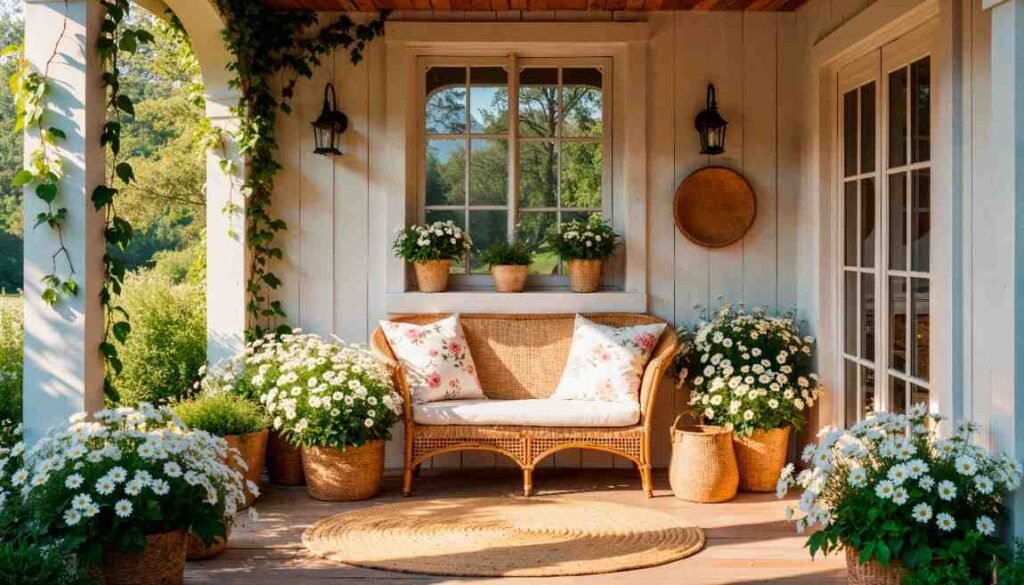
Walk through your yard and observe its natural features. Note areas that receive full sun versus deep shade, as this dictates what will grow successfully. Pay attention to the soil quality and drainage patterns. Low spots that collect water might be perfect for moisture-loving plants, while rocky, dry areas might suit succulents or drought-tolerant species. Understanding these microclimates ensures you work with your environment rather than against it.
Create Zones
Dividing the yard into distinct zones adds depth and functionality. You might designate a patio area for dining, a grassy spot for pets or play, and borders for flower beds. Use pathways to connect these areas and guide movement through the landscape. Paths made of stone, gravel, or brick not only serve a practical purpose but also add visual interest and structure to the overall design.
Select Plants for Color and Texture
The plants you choose act as the paint on your canvas. A mix of perennials, shrubs, and trees creates a dynamic landscape that changes with the seasons. Aim for a balance of colors, heights, and textures to keep the eye engaged.
Layer Your Planting
Think vertically when designing flower beds. Place taller plants or small trees at the back or center of the bed to provide a backdrop. Mid-sized shrubs and perennials fill the middle ground, while low-growing ground covers spill over the edges in the front. This layering technique creates a lush, full look that mimics natural growth patterns.
Focus on Year-Round Interest
A true garden paradise looks good in every season. While spring and summer blooms are showstoppers, consider plants that offer autumn color or winter structure. Evergreens provide constant greenery, while ornamental grasses add movement and texture even when dried. Berry-producing shrubs can attract birds and add splashes of color during the colder months.
Choose Healthy Specimens
Starting with vigorous plants gives your garden the best chance of success. When shopping, look for plants with strong root systems and healthy foliage. While you can find generic options at big-box stores, visiting specialized garden centers in Salt Lake City or your local area often provides access to plants better suited for your specific regional climate. Local experts can guide you toward native species that require less water and maintenance.
Add Sensory Elements and Decor
A garden appeals to more than just sight. Engaging all the senses transforms a nice yard into an immersive experience.
Incorporate Sound and Scent
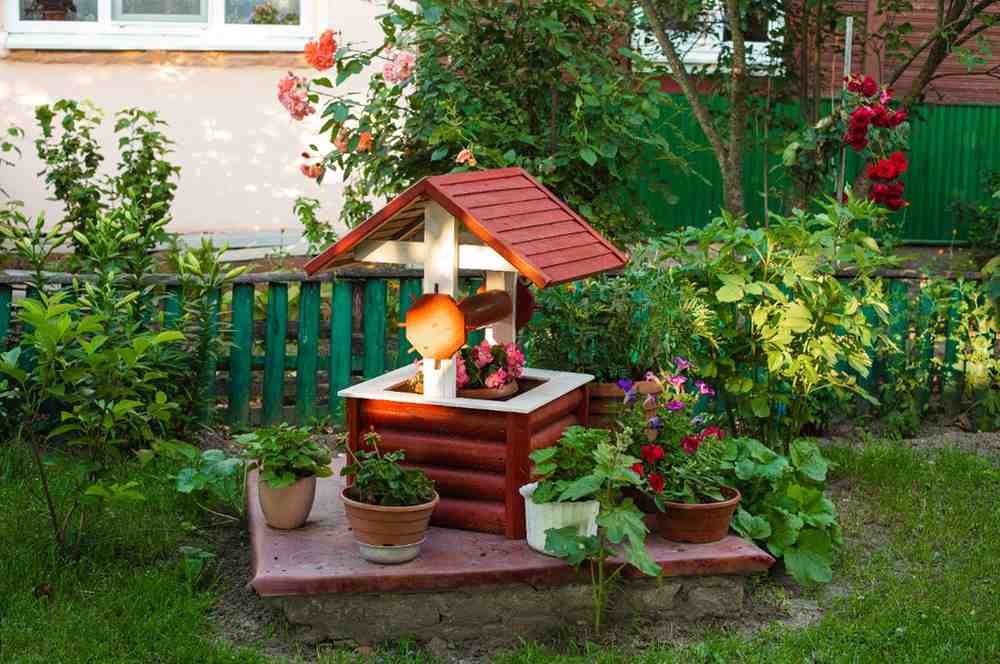
The sound of water instantly creates a soothing atmosphere. A small fountain, birdbath, or bubbling rock feature adds a calming auditory element that masks neighborhood noise. Fragrance is another powerful tool. Plant jasmine, lavender, or lilacs near seating areas or pathways where their scent can be enjoyed up close.
Install Lighting
Proper lighting extends the enjoyment of your garden into the evening hours. Soft, warm lights strung overhead or placed along pathways create a magical ambiance. Uplighting trees or architectural features adds drama and depth to the nighttime landscape. Solar-powered fixtures are an energy-efficient option that is easy to install without complex wiring.
Furnish for Comfort
Finally, make the space inviting with comfortable furniture. Choose weather-resistant materials like teak, metal, or all-weather wicker. Add cushions and throws to soften the look and encourage lounging. A well-placed bench tucked into a quiet corner offers a different perspective of the garden and invites solitary reflection.
By thoughtfully planning your layout, selecting a diverse range of plants, and adding sensory details, you can turn any backyard into a stunning retreat. This process allows you to build a living space that grows and evolves, providing beauty and tranquility for years to come.