
Ask ten small business owners what keeps customers coming back, and most will point straight at the thing they sell. Better coffee. Faster turnaround. A cleaner cut. They’re looking in the wrong place.
The product gets someone through the door once. What they feel while they’re there decides whether they ever come back, and whether they tell three friends or nobody at all. That gap between “good product” and “customer for life” is where small businesses either win or quietly bleed out.
Here’s the part that should worry you: most of that gap has nothing to do with what you sell.
The Product Is the Ticket In. It Was Never the Reason They Stay.
Think about the last business you stopped using. Odds are the product was fine. You left because someone was short with you, or you got passed between three people, or nobody remembered you after five visits. Price and quality get you onto the shortlist. They rarely keep you there.
PwC put a number on this. In its study of 15,000 consumers, 73% said the experience they get is a deciding factor in what they buy, ranking it right behind price and product quality. The same research found people will pay up to 16% more for a business that treats them well, and about one in three will walk after a single bad experience, even from a brand they used to love.
So the product opens the relationship. Everything after that is service, memory, and trust.
What It Actually Costs to Lose Someone
Losing a customer feels free. It isn’t.
The most-quoted figure in this whole conversation comes from Fred Reichheld at Bain & Company, and it has held up for decades: push your retention rate up by just 5% and profits climb somewhere between 25% and 95%. The range depends on your margins and your industry, but the direction never changes. Keeping people is where the money is.
The flip side is uglier. Chasing new customers to replace the ones who quietly left costs five to twenty-five times more than holding onto the ones you had. Every regular who drifts away is a bill you pay twice. Once in the repeat spend you lose. Once in the ad budget you burn refilling the seat.
For a small business, loyalty is the entire model. You don’t have a venture war chest to buy your way out of a leaky bucket, so every customer who sticks is worth more to you than to almost anyone else.
Where Trust Actually Gets Built
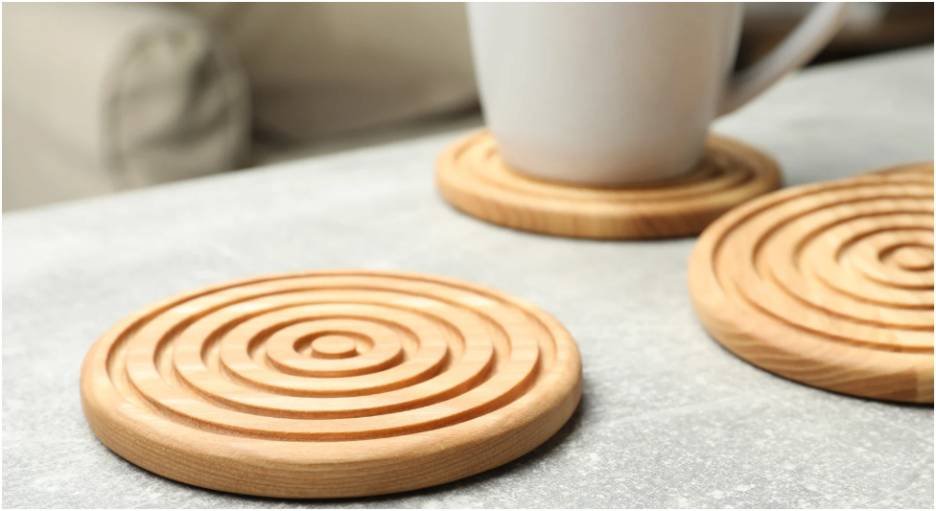
Not in the sale. In the hundred tiny moments around it. Even small physical details can reinforce how customers remember a business. Thoughtful branded items used at conferences, client meetings, or community events can make the experience feel more polished and personal. For example, sandstone coasters for business events can serve as practical keepsakes that keep a company visible long after the event ends.
The First Ninety Seconds

You decide how you feel about a place before anyone has finished a sentence. Were you greeted or ignored? Did the room feel calm or frantic? Did someone look up? Those reads happen fast, and they stick.
The businesses that win here treat the front desk like the most important job in the building, because it is. It’s the first thing every customer touches and often the last.
Remembering the Small Stuff
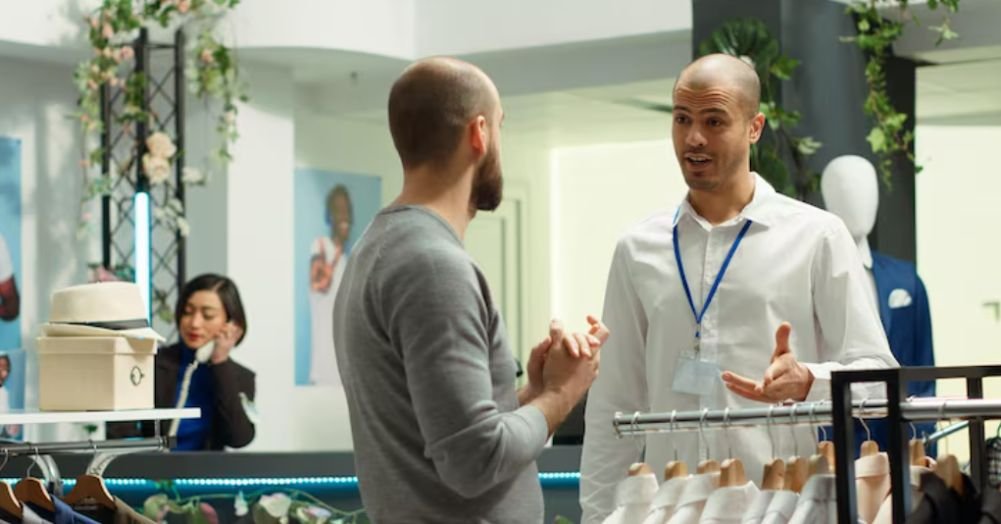
The cheapest loyalty tool on earth is remembering something about a person. Their name. Their kid. The thing they were nervous about last time.
Take a family dental practice. A good dentist surrey parents actually trust isn’t winning them over with shinier equipment. It’s the hygienist who remembers a kid who hates the mint flavor and swaps it without being asked. That’s not medicine. That’s memory, and it’s exactly why that family books the next cleaning before they leave and mentions the place to two other parents at pickup.
Every service business has its own version. The barber who remembers you’re growing it out. The mechanic who calls before doing the extra work instead of after. Small, cheap, and the kind of thing people quietly refuse to give up once they have it.
Reviews Are Word of Mouth With a Wider Reach
Loyalty used to spread over a backyard fence. Now it spreads on Google.
BrightLocal’s 2025 research found people read roughly ten reviews on average before they trust a local business enough to show up. And they don’t only count the stars. They read how you respond. A business that answers its reviews, the warm ones and the angry ones, reads as one that pays attention. Silence reads as nobody’s home.
Online reviews are not the only way a small business becomes more recognizable. In-person events, trade shows, and local exhibitions can also strengthen customer recall when the presentation feels consistent with the brand. Understanding the impact of custom exhibition stands on brand visibility can help small businesses create memorable physical experiences that support trust, recognition, and long-term loyalty.
Here’s what a lot of owners miss. Your reviews are made visible. A regular who leaves a warm, specific review is doing your marketing for you, for free, to strangers who trust that stranger more than they’ll ever trust your ad. That’s the flywheel. Treat people well, they say so in public, new people believe them.
So ask for the review. Most happy customers are glad to leave one. They just never think of it unless you give them a nudge.
A Two-Minute Loyalty Audit You Can Run Today
You don’t need software for this. Answer these honestly:
- When a regular walks in, does anyone actually recognize them?
- If someone had a rough experience with you last month, would you even know it happened?
- When was the last time you replied to a review, good or bad?
- Can a customer reach a real human without fighting a phone menu?
- Does your best employee know your regulars by name?
Every “no” is a leak. None of them cost real money to fix. All of them cost you customers when you leave them alone.
Here’s the same idea in a table, because the split between where owners spend and where loyalty is actually earned is stark once you see it side by side:
| What owners over-invest in | What actually keeps people |
| A slightly better product than the shop down the road | Being remembered and treated like a person |
| Discounts to win the next new face | Consistency the regulars can count on |
| A slicker logo or a redesigned website | A fast, human reply when something goes wrong |
| Obsessing over the star rating | Actually responding to the reviews you already have |
Chart suggestion for the editor: a simple two-bar chart showing the profit lift from a 5% retention increase, low end at 25% and high end at 95%, sourced to Bain & Company.
Loyalty Is Built on Ordinary Days
Nobody becomes a regular because of one perfect visit. They become a regular because the tenth visit felt as easy and as human as the first.
The product got them in the door. You already nailed that part, or they’d never have shown up. The rest is quieter work. Showing up consistent. Remembering the small stuff. Owning your mistakes fast. Treating the person in front of you the way you’d want to be treated on a bad day.
Do that for a few years and you stop competing on price. People don’t leave the business that knows them.
So take an honest look at your own shop this week. Where’s the leak, and what’s one small thing you could change to make your regulars feel remembered.