A tennis court is a long-term investment for any school, community, club, or private residence. However, constant play, weather exposure, and natural aging will cause even well-built courts to show wear over time. Knowing when to resurface a tennis court is key to maintaining safety, playability, and appearance. Resurfacing at the right time extends the court’s life and prevents minor issues from turning into expensive repairs. This guide will cover the key signs to watch for, why timing is important, and what factors influence the decision to resurface.
What Tennis Court Resurfacing Means
Resurfacing restores a tennis court’s performance, safety, and appearance. The process typically involves repairing cracks, leveling low spots, applying new coatings, and repainting lines. Unlike a full reconstruction, resurfacing focuses on renewing the top layers to ensure the court performs as intended. Timely resurfacing can extend the life of your court by many years, preventing the need for an expensive total rebuild.
Visible Surface Cracks and Damage
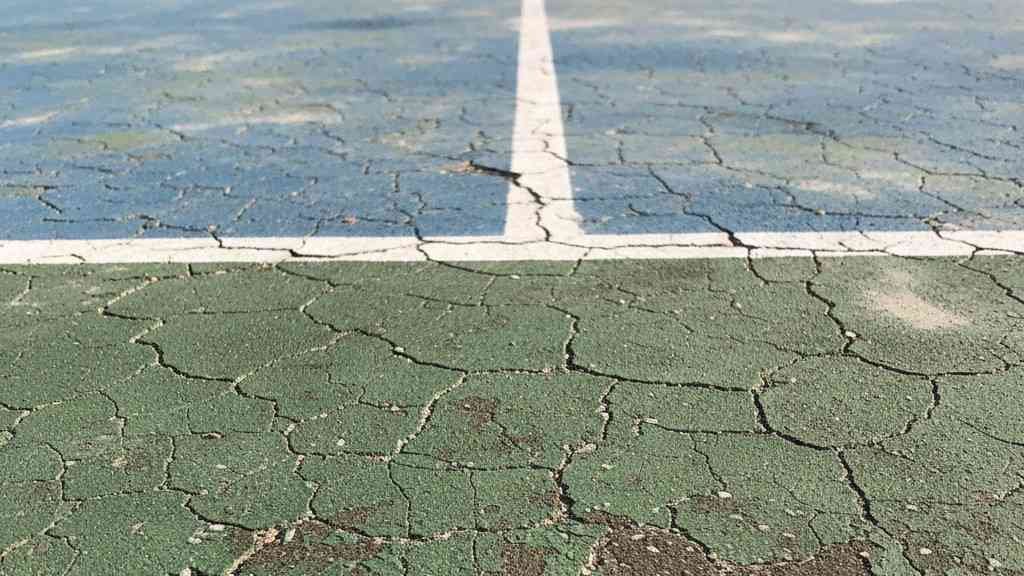
Visible cracking is a clear sign that resurfacing might be necessary. Hairline cracks often develop naturally as the surface expands and contracts with temperature changes. Over time, these cracks can widen and deepen. If left unaddressed, they can impact ball bounce and increase the risk of trips or injuries. When cracks become widespread or start affecting play, resurfacing is usually the best solution.
Uneven Ball Bounce and Reduced Playability
Players often notice performance changes first. An inconsistent or unpredictable ball bounce suggests the surface is worn unevenly or has lost its original texture. This can be caused by surface erosion, low spots, or worn coatings. When poor playability becomes a persistent issue, resurfacing restores the consistency and quality of the playing experience.
Fading Color and Slippery Areas
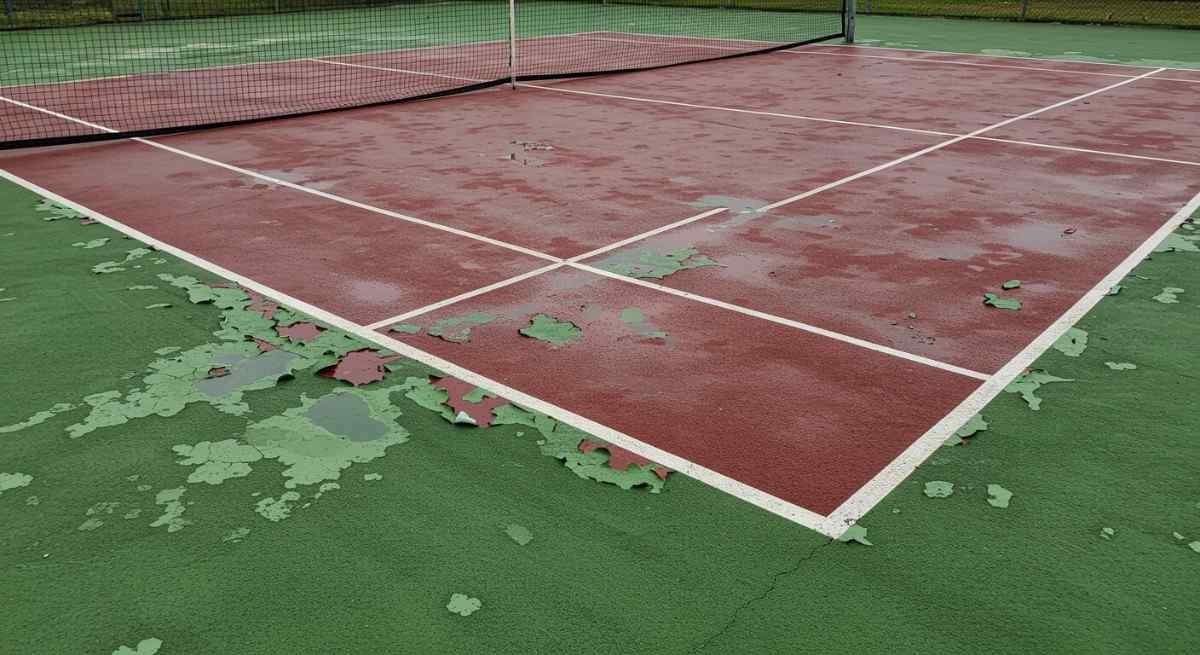
The color of a tennis court isn’t just for appearance—it plays a functional role. Surface coatings provide traction and protect the underlying layers. Over time, these coatings wear down, causing colors to fade and surfaces to become slippery, especially when wet. This increases the risk of falls and injuries. If the surface looks faded or traction has noticeably diminished, resurfacing can restore both grip and visual appeal.
Drainage Problems and Water Pooling
Poor drainage can lead to severe surface damage. Standing water accelerates cracking, weakens the court’s base, and significantly shortens its lifespan. Courts in regions with heavy rain or snow are particularly at risk. If water pools for long periods after a storm, you likely need resurfacing and structural repairs to fix the underlying drainage issues.
Age of the Tennis Court
The age of a tennis court is an important factor in deciding when to resurface, even if there’s no visible damage. Most courts require resurfacing every four to eight years, depending on factors like usage, surface type, and maintenance. High-traffic courts may need resurfacing sooner, while less frequently used courts can last longer. Keeping track of a court’s age and maintenance history helps schedule resurfacing before performance starts to decline.
Seasonal Timing Matters
Choosing the right season is as important as recognizing the signs of wear. Resurfacing materials need specific temperature and weather conditions to cure properly. Dry, moderate weather helps coatings bond correctly and creates a durable finish. Scheduling the project during favorable conditions minimizes delays and ensures better long-term results, while also reducing disruptions to regular play.
Safety Considerations
Safety should always be a top priority. A court with cracks, uneven spots, or a worn-out coating can increase the risk of slips and falls. For facilities hosting tournaments, lessons, or youth programs, maintaining a safe surface is crucial. Resurfacing enhances traction, provides a smoother playing area, and improves line visibility, creating a safer environment for players of all levels. Addressing these issues early helps prevent potential injuries and liability problems.
The Role of Professional Evaluation
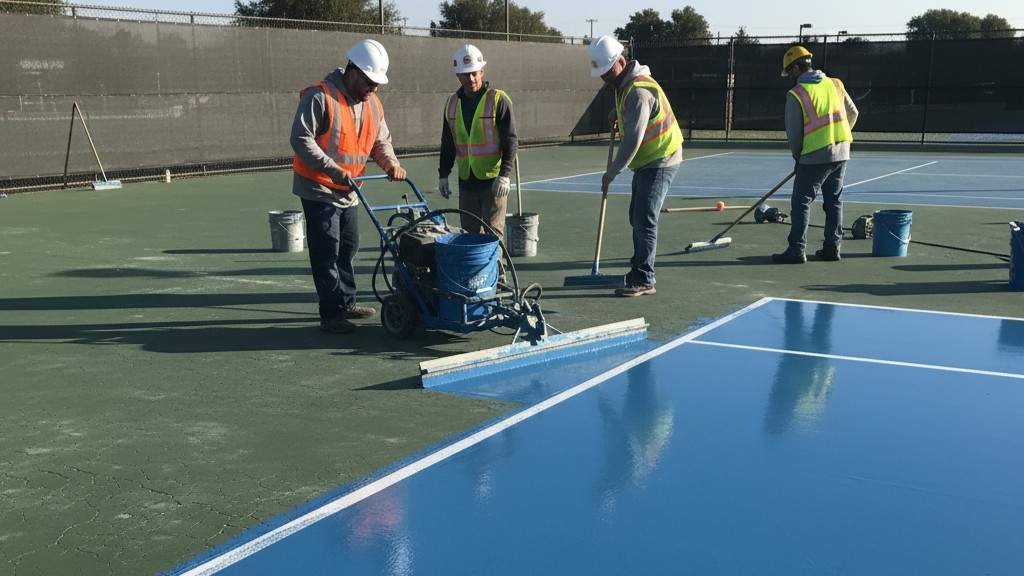
Some signs of wear are obvious, but others require a professional eye. An expert assessment determines if simple resurfacing will suffice or if more extensive repairs are necessary. Consulting specialists in tennis court resurfacing in Utah ensures that local climate, usage patterns, and surface conditions are factored into the plan. Professional guidance helps you select the best resurfacing system and optimal timing for durable results.
Planning for Long-Term Maintenance
Resurfacing works best when paired with a proactive maintenance plan. Routine cleaning, immediate crack repairs, and consistent inspections extend the court’s lifespan between cycles. Planning for these needs in advance helps facility owners budget effectively and prevent unexpected closures. Long-term maintenance ensures your tennis court’s durability and enhances elevated living through functional spaces.
Conclusion
The ideal time to resurface a tennis court depends on visible wear, performance issues, safety hazards, and environmental factors. Addressing minor surface problems early can prevent them from becoming major structural issues. With proper timing and professional support, resurfacing restores playability, protects your investment, and keeps the court safe and enjoyable for years.