Are you ready to make a difference but don’t know where to start? Embracing a zero waste lifestyle might sound overwhelming, but trust me, it’s easier than you think. This isn’t about being perfect; it’s about making small, meaningful changes that lead to a cleaner, greener planet.
From reducing waste in your kitchen to choosing sustainable fashion, the zero waste journey is all about progress over perfection. In this blog, I’ll share how you can get started with easy, actionable steps and how adopting a zero waste lifestyle can benefit both the environment and your personal well-being. Let’s dive in!
What Is a Zero Waste Lifestyle?
A zero waste lifestyle focuses on reducing waste by refusing, reducing, reusing, recycling, and composting. It’s about making conscious choices that contribute to a circular economy, where products are designed for longevity and recyclability.
Here’s the good news: zero waste living doesn’t mean you’ll never have trash—it just means you’re making a serious effort to reduce unnecessary waste.
The 5 Rs of Zero Waste
The 5 Rs are the guiding principles that can help you adopt a zero waste lifestyle:
Refuse:
Say no to things you don’t need, such as single-use plastics, promotional freebies, and junk mail.
Reduce:
Limit your consumption to essential, high-quality items that last, minimizing waste generation.
Reuse:
Opt for reusables (like stainless steel bottles and cloth bags) and repair items instead of throwing them away.
Recycle:
Recycling is a last resort, meant for things that can’t be refused, reduced, or reused. Make sure to recycle correctly!
Rot:
Composting is an important step. Compost your food scraps and other organic waste to enrich soil and reduce landfill waste, thereby maximizing yields for your garden or community composting program. By returning nutrients to the earth, you’re not only reducing waste but also improving the health and productivity of the soil.
Why It Matters: Benefits of a Zero Waste Lifestyle
1. Protecting the Environment
Every year, billions of tons of waste are sent to landfills and incinerators. By embracing a zero waste lifestyle, you’re significantly reducing your contribution to this problem, helping combat climate change and preserve natural resources.
2. Saving Money
Though the initial investment in sustainable items can seem high, in the long run, a zero waste lifestyle can save you money. Fewer purchases of single-use items and disposables lead to savings over time, especially when you buy in bulk or opt for items that last longer.
3. Improved Health
A zero waste lifestyle often encourages healthier habits—from home-cooked meals to reducing exposure to chemicals in plastic products, the lifestyle is closely tied to a healthier, toxin-free environment.
4. Personal Fulfillment
The zero waste movement encourages mindfulness, creativity, and a sense of responsibility for the planet. Knowing that you’re making a positive impact on the environment brings personal satisfaction and a deeper connection to nature.
Practical Steps to Start Living Zero Waste
Transitioning to a zero waste lifestyle is most successful when done gradually. Here’s how I started—and you can too:
1. Conduct a Waste Audit
Start by tracking your trash for a week. This will help you identify the major sources of waste in your home. Once you know where you’re generating the most waste, you can target those areas for improvement.
2. Make Simple Swaps
Start small with simple changes:
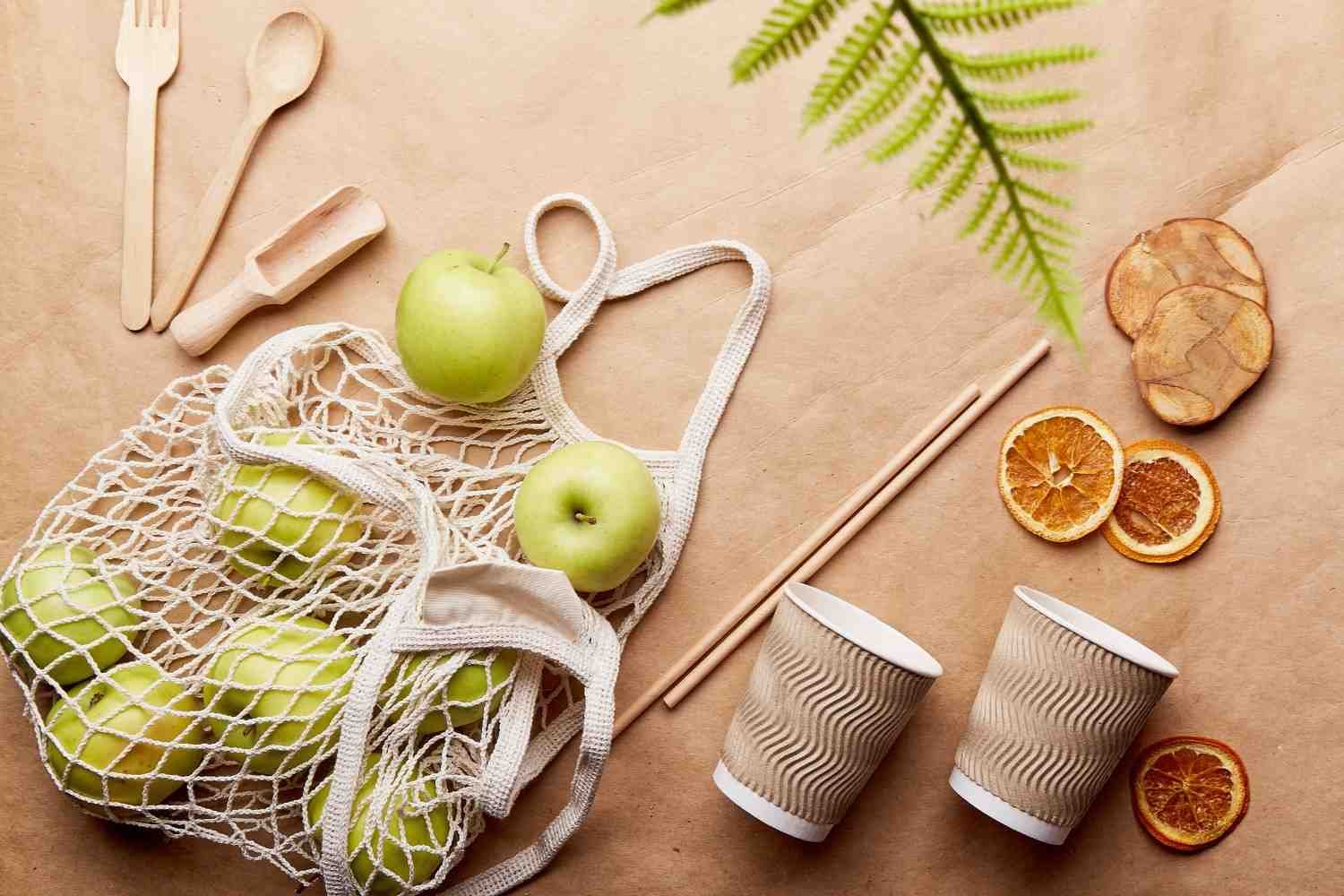
- Bamboo toothbrushes instead of plastic ones.
- Bar soap instead of bottled body wash.
- Reusable shopping bags instead of plastic.
3. Shop in Bulk
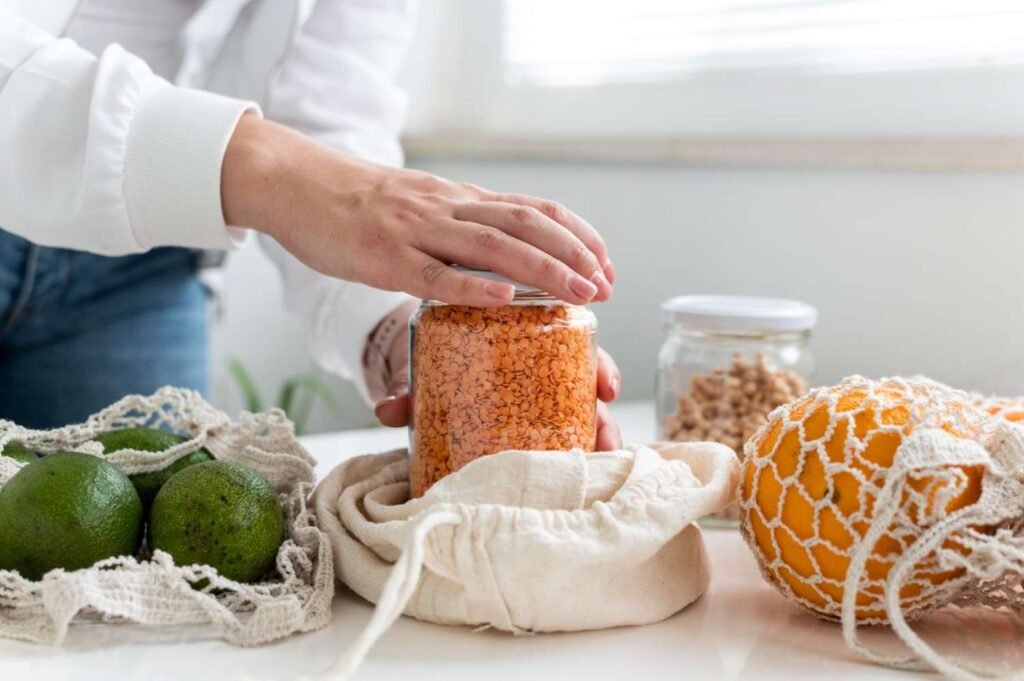
Buying in bulk helps reduce packaging waste. Bring your own jars or reusable bags to bulk refill stores and purchase grains, nuts, and cleaning products without excess packaging.
4. Mindful Kitchen Practices
Meal planning is crucial for reducing food waste. Use leftovers creatively and compost food scraps instead of throwing them away. About 30% of household waste is compostable organic material, which can be avoided with a little planning.
5. Sustainable Fashion Choices
Opt for second-hand clothing from platforms like ThredUp or Poshmark. Choose durable, natural fibers like organic cotton, and aim to buy fewer, higher-quality items that will last longer.
Overcoming Common Challenges in Zero Waste Living
While the transition is rewarding, there are challenges that come with living a zero waste lifestyle. Here are some common obstacles and tips to overcome them:
1. Limited Access to Zero Waste Stores
Not every area has easy access to zero waste stores, but you can still make progress by shopping online or looking for local bulk refill stations. If you have the option, buying in bulk and bringing your own containers is a great solution.
2. Struggling to Find Zero Waste Alternatives
It can be difficult to find alternatives for some personal care or cleaning products. A simple solution is DIY recipes—many zero waste advocates make their own cleaners, beauty products, and even laundry detergents at home using natural ingredients like vinegar, baking soda, and essential oils.
3. The Overwhelm of Lifestyle Changes
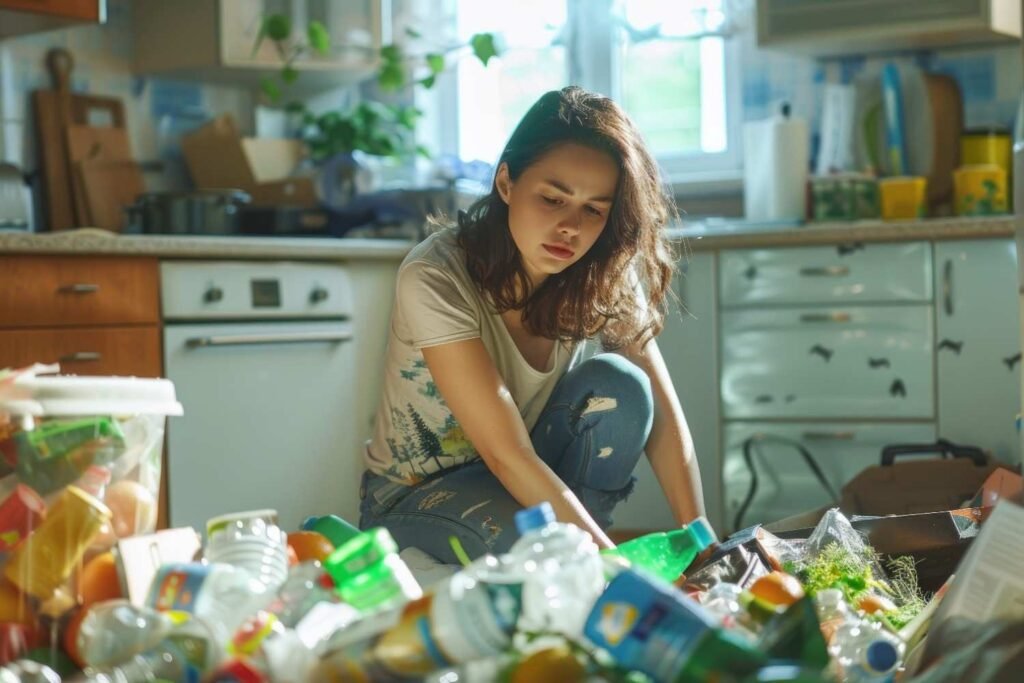
Going zero waste can be overwhelming, especially in the beginning. My advice is to start small and set manageable goals. Focus on one area at a time—whether it’s your kitchen, bathroom, or wardrobe—and work towards eliminating waste in each.
Frequently Asked Questions (FAQs)
1. What is the first step in starting a zero waste lifestyle?
Start by conducting a waste audit to understand where most of your waste comes from. This will help you focus on the areas that need the most improvement.
2. Can I live with zero waste in an apartment?
Yes! You don’t need a lot of space to live in zero waste. Start with simple swaps like reusable bags, containers, and composting your kitchen scraps. Even small spaces can accommodate sustainable living practices.
3. Is it expensive to live with zero waste?
Living a zero waste lifestyle can seem expensive initially because you might need to purchase some higher-quality, durable items. However, over time, you’ll save money by buying fewer disposables and reducing unnecessary purchases.
Making a Positive Impact
Being waste-free is a process rather than a final goal. It involves making deliberate decisions to live sustainably and cut down on waste.
Even if you won’t be flawless, every little action you take helps make the world healthier. Start with one change today and work your way up, whether it’s avoiding plastic straws or composting your food waste. Your pocketbook and the environment will both benefit from it.