
I still remember the day I smacked my head on a low-hanging metal beam during a warehouse walkthrough. I wasn’t even doing anything dangerous—I just stood up too fast. That moment made me think, you could be exposed to minor bumps in your job. what class of hard hat will you need to wear? I had a headache, an embarrassing red mark, and a new respect for head protection. Since then, I’ve made it a point to understand exactly which type of gear keeps me (and my team) safe in everyday situations.
Most people only think about hard hats when something heavy might fall, but minor bumps and scrapes cause just as many workplace injuries. So today, I’m sharing what I learned the hard way—using simple explanations, personal experience, and a friendly, no-nonsense tone.
What Should You Wear If You Only Deal With Minor Bump Hazards?
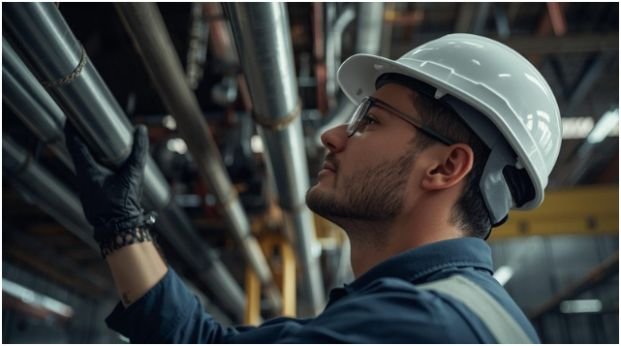
When your biggest threat comes from low ceilings, hanging pipes, or awkward machinery edges, you rarely need a full OSHA-rated hard hat. I found that a bump cap usually does the job perfectly. A bump cap feels much lighter than a traditional hard hat, and I love how it protects me from scrapes and bump injuries without feeling bulky.
A bump cap works best when you’re moving through tight spaces or constantly ducking under shelving or beams. I’ve used one during inspections inside equipment rooms where the main danger is whacking your head on something that refuses to move. It gives you that cushion of protection that keeps your scalp intact.
But here’s the important part: a bump cap won’t protect you from falling objects. It’s not ANSI-certified. So if even a small tool could slip off a shelf overhead, you need more protection than a bump cap offers.
When Do You Need a Class C Hard Hat Instead?
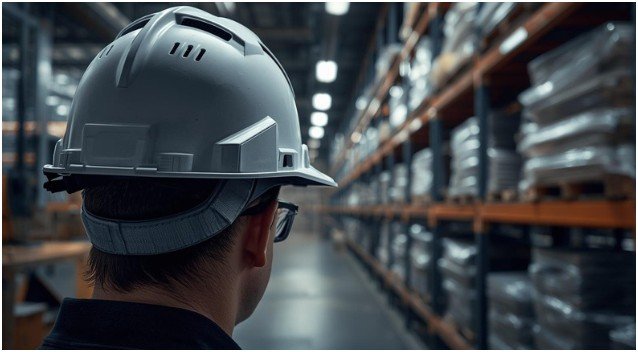
There are days when I feel confident with just a bump cap, and then there are jobs where I know I need real head protection. If you could be exposed to minor bumps in your job—but there’s also even a small chance that objects might fall from above—then you need a Class C hard hat.
A Class C hard hat protects you from impact and penetration hazards. It feels sturdier, sits more securely on your head, and gives you peace of mind when you work around other people using tools or lifting materials. I often recommend Class C hard hats when I’m helping teams set up shop in a busy workspace where tools and materials move overhead frequently.
Class C hard hats also come in vented styles, which I appreciate on hot days. They offer no electrical protection, but if your job doesn’t involve energized circuits, that won’t matter. For many people, Class C becomes the practical, comfortable choice.
How Do Bump Caps and Class C Hard Hats Compare?
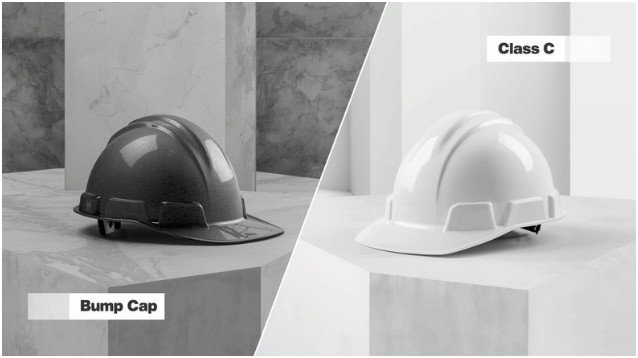
Sometimes it helps to see the differences side-by-side. This simple comparison table summarizes what I usually consider:
| Feature | Bump Cap | Class C Hard Hat |
| Protection Level | Minor bumps/scrapes | Impact + penetration |
| OSHA/ANSI Rated | No | Yes |
| Electrical Protection | None | None |
| Best For | Tight spaces, low hazards | Worksites with falling-object risks |
| Comfort | Very lightweight | Lightweight but sturdier |
| Ventilation | Often vented | Frequently vented |
Whenever I switch between the two, this chart reminds me why the choice depends entirely on the hazard—not just personal comfort. Safety comes first, even on days when I’d love to skip the heavier gear.
How Do You Decide Which One You Actually Need?

When I evaluate my own job tasks, I start with the hazard itself. I walk around the area, I look up, I look sideways, and I ask myself, “What could hit me? What could I walk into?” This little habit has saved me from more than one painful mishap.
If I’m only worried about walking into something that refuses to move, a bump cap usually works. But the second I see movement overhead—or even stacked objects at shoulder level—I know a Class C hard hat needs to go on my head.
Many workplaces require a Job Hazard Analysis (JHA), and honestly, I think everyone should do one even informally. It takes a few minutes but ensures you choose the safest option instead of guessing.
How Do You Choose and Wear the Right Protection? (How-To Guide)
Step 1: Identify the actual hazard
Look for stationary objects you might bump into. Then check for anything that could fall or shift. Be honest—with yourself and the workspace.
Step 2: Pick protection based on the hazard
Only bump hazards? Bump cap.
Falling-object risks? Class C hard hat.
Step 3: Check site requirements
Some employers require ANSI-approved hard hats even for light hazards. Follow their rules—it keeps everyone consistent and safe.
Step 4: Make sure the fit feels right
Both caps and hard hats come with adjustable suspensions. I adjust mine until it feels snug but not tight, because good fit equals better protection.
Step 5: Wear it every time
Once you decide what you need, wear it consistently. Sporadic safety isn’t safety at all.
What Do People Usually Ask About Bump Caps and Class C Hard Hats? (FAQ)
1. Do bump caps count as OSHA-approved head protection?
No, bump caps don’t meet ANSI or OSHA hard hat standards. They protect me from small bumps and scrapes, but OSHA requires an actual hard hat when falling-object hazards exist. That’s when a Class C hard hat becomes necessary.
2. Is a Class C hard hat safe for electrical work?
Not at all. Class C offers zero electrical insulation. When I work around energized parts, I switch to Class E or Class G. Class C stays reserved for non-electrical environments with impact hazards.
3. Can I replace a bump cap with a regular baseball cap for minor bumps?
I wouldn’t. A regular cap offers no real protection. Bump caps have an internal shell designed for impact absorption. They feel casual, but they work. Baseball caps are for fashion; bump caps are for safety.
4. How do I know when to upgrade from a bump cap to a hard hat?
I upgrade any time the environment changes—new equipment, overhead shelving, stacked items, or additional workers. If I can imagine something falling, shifting, or dropping, I switch immediately to a Class C hard hat.
So, What’s My Final Take on This Whole Head Protection Question?
Safety Isn’t Stylish—But It Sure Beats Stitches
The more I work around warehouses, workshops, and job sites, the more I appreciate how simple choices prevent painful accidents. When you could be exposed to minor bumps in your job. what class of hard hat will you need to wear? The answer becomes simple: pick the protection that fits your hazard, not your outfit or convenience.
I always grab a bump cap for tight, low-risk spaces and switch to a Class C hard hat when anything above me could shift or fall. That small habit keeps me safe, comfortable, and confident every day I show up for work. And if I can leave you with one tip, it’s this: respect your head—it’s the only one you’ve got.