If you’ve ever seen a red merle Australian Shepherd, you know how striking the coat can be. But this isn’t just a pretty dog. The red merle Aussie is intelligent, loyal, athletic, and deeply people-focused, a genuinely remarkable companion for the right household. Let’s learn the genetics behind the coat, the behavior, and energy level of the breed, and what an owner should realistically expect day-to-day. Whether you’re considering adopting one or just fascinated by the breed, this resource provides expert-level clarity.
You’ll also gain insight into their training needs, health considerations related to the merle gene, and how to ensure a thriving, enriching environment for your dog. By the end, you’ll have a well-rounded understanding of what makes this color variant special, not just visually, but in temperament, history, and lifestyle compatibility.
What Creates the Red Merle Pattern?
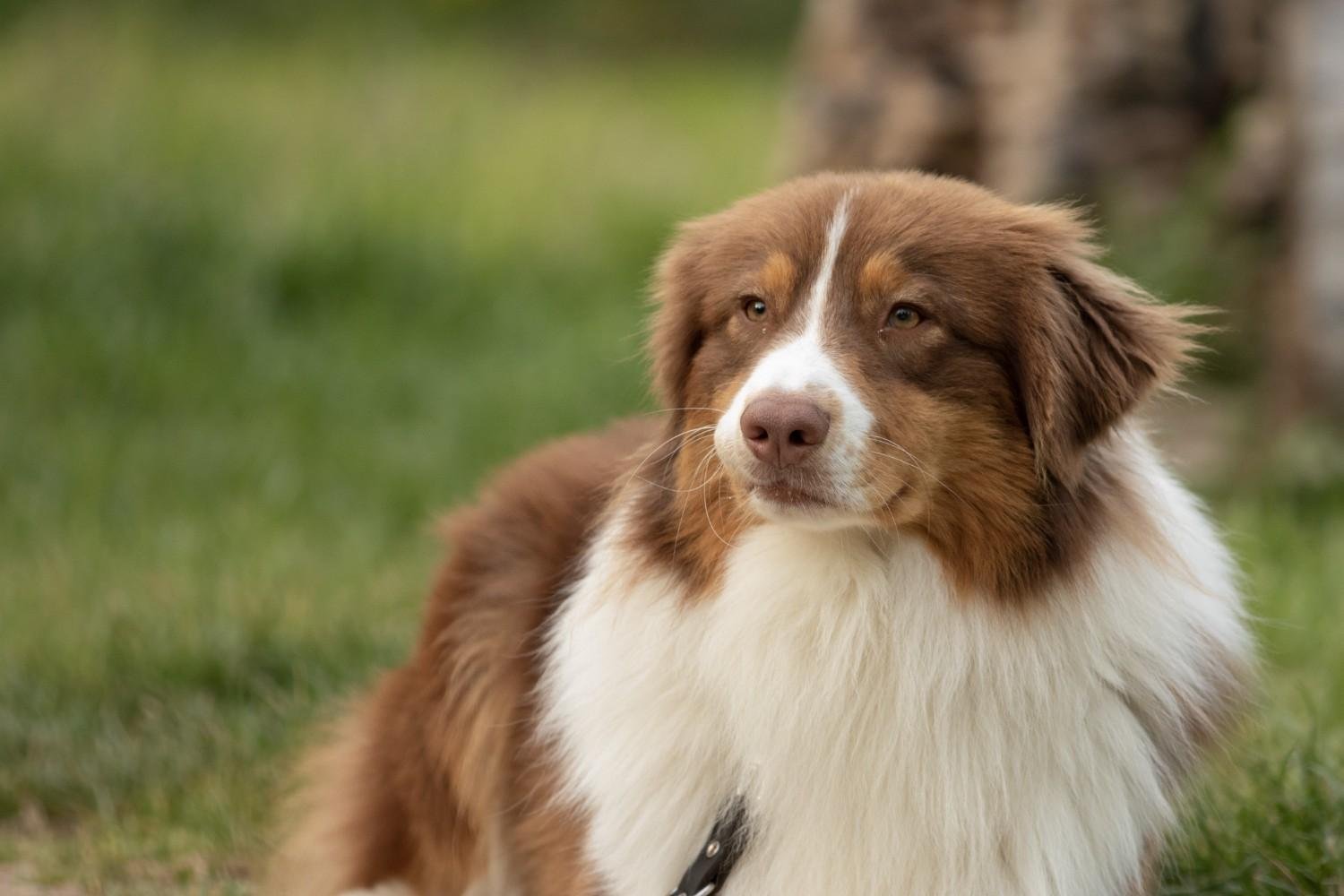
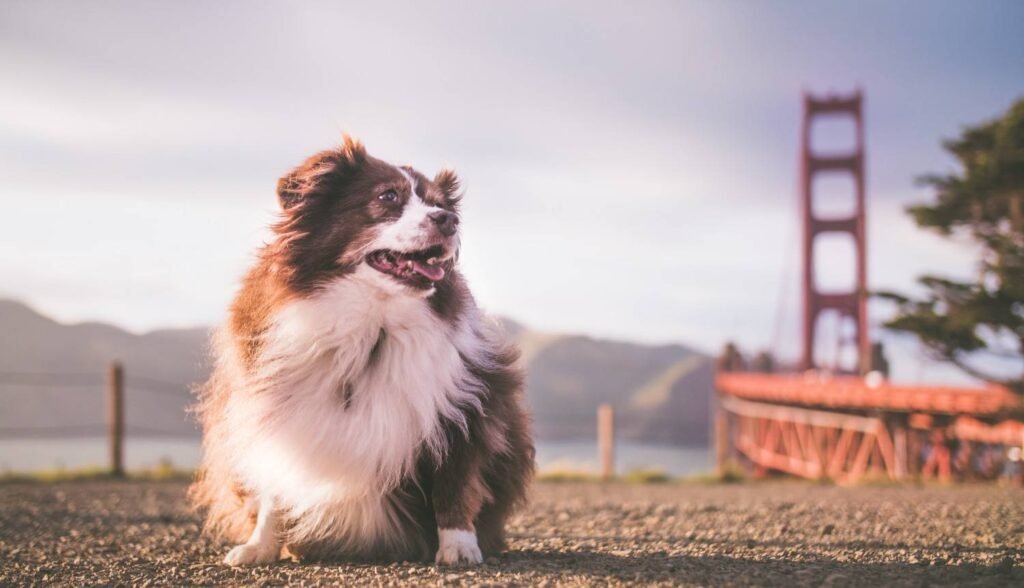
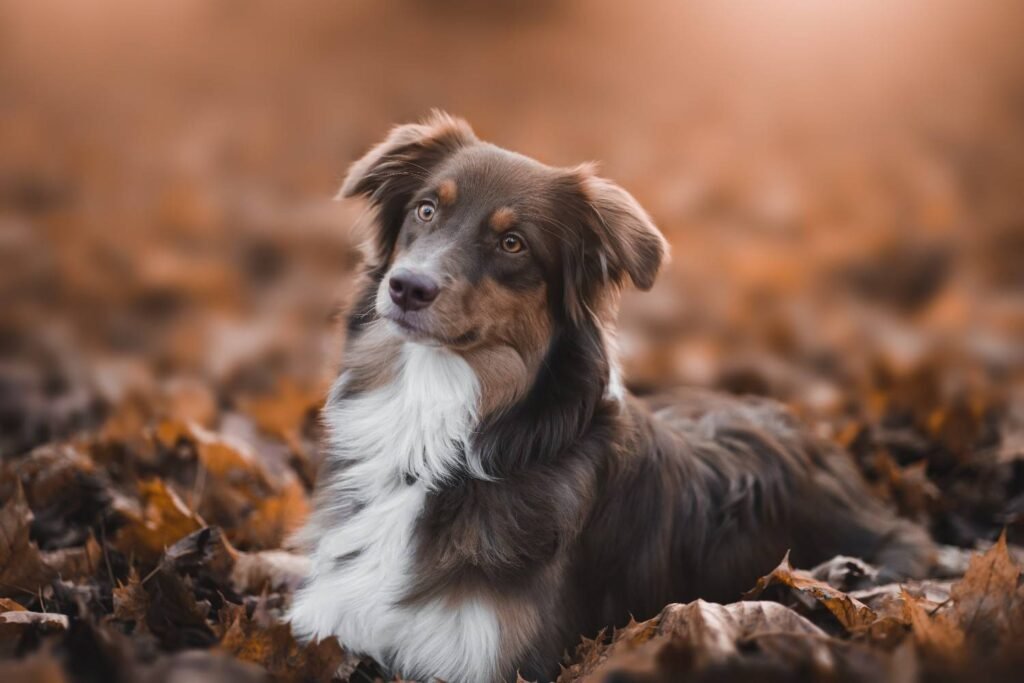
The term red merle refers to the combination of a red-based coat with the merle gene, which creates a mottled, marbled pattern rather than a solid color. Instead of a uniform red coat, you’ll see a buff or light silver background blended with cinnamon-to-dark-liver patches, often accompanied by white markings and copper (tan) points on the face and legs.
The eyes of a red merle Aussie are particularly striking and can vary widely, ranging from amber to brown or blue, and in some individuals, each eye may even be a different color. This genetic pattern makes every red merle Australian Shepherd visually one-of-a-kind, almost like a living fingerprint shaped by nature.
Temperament and Personality
Regardless of color, the Australian Shepherd breed itself is known for:
- High intelligence
- Strong herding drive
- Strong desire to work with humans
- High energy levels
- Eager-to-learn personality
- Exceptional memory and problem-solving ability
Red merle Aussies are:
- Affectionate
- Protective
- Very aware of their environment
- Quick to learn commands
- Great with family members
- Sometimes reserved with strangers.
This is a working breed with exceptional intuition. Many Aussies seem to react before commands are even spoken. They thrive on interaction and a strong partnership with their humans.
Exercise and Engagement Needs
This is important to understand that a red merle Australian Shepherd is absolutely not a low-maintenance breed. They need consistent physical activity to burn energy and stay balanced. Just as importantly, they also require mental stimulation to keep their sharp minds engaged and prevent boredom-driven behaviors.
Ideal activities include:
- Hiking or trail running
- Agility training
- Obedience lessons
- Herding work
- Frisbee and retrieval games
- Nose-work and scent games
A tired Aussie is a well-behaved Aussie. Without a proper outlet, you may see:
- Barking
- Chewing
- Anxiety
- Escape attempts
- Over-herding behavior
This breed truly thrives in an active home that can keep up with its athletic energy. They enjoy being part of daily movement, activity, and adventure. A stimulating environment isn’t just beneficial, it’s essential to their overall wellbeing.
Grooming and Coat Care
The red merle Australian Shepherd has a true working-dog double coat, made up of a dense insulating undercoat and a weather-resistant top layer. This combination helps regulate temperature in both cold and warm conditions, while also offering protection from rain, brush, and environmental elements. Understanding the structure of their coat is essential for proper grooming and overall skin and coat health.

Grooming recommendations:
- Brush 2–3 times per week, normally
- Daily brushing during shedding seasons
- Occasional trim around paws and sanitary areas
- Nail trimming and ear checks weekly
Regular brushing helps reduce loose hair and stimulates healthy skin oils. Unlike many breeds, Aussies do not require frequent bathing; over-bathing can strip the coat’s natural protective layer.
Health Considerations: Understanding the Merle Gene
Merle itself is harmless as long as a dog has only one copy of the gene, making a single-merle (normal merle) perfectly healthy. However, when two merles are bred together, the resulting puppies can inherit two copies of the merle gene and become what is known as double merles. These dogs face significantly higher risks of serious health issues, including partial or complete deafness, blindness, structural eye abnormalities, pigmentation deficiencies, and increased immune-related vulnerabilities.
Responsible breeders avoid pairing two merles, ensuring the puppy is either:
- Merle × solid (safe pairing)
- Solid × solid
- Merle × non-merle red/black
When purchasing a puppy, it’s important to ask the breeder whether both parents are merle, whether genetic testing has been performed, and whether the puppy carries one or two merle genes. These questions help ensure that the dog comes from responsible, health-conscious breeding practices. A reputable and transparent breeder will willingly provide this information without hesitation, as maintaining genetic health and honesty is a priority for them.
Size, Build, and Breed Standard
Red merle Australian Shepherds follow the same physical standard as the breed overall:
- Height: 18–23 inches
- Weight: 40–65 pounds
- Medium-length double coat
- Athletic, balanced movement
- Upright, alert posture
Interestingly, despite their name, Australian Shepherds originated in the United States as ranch working dogs.
Quick Comparison Chart: Red Merle vs Blue Merle
| Feature | Red Merle Australian Shepherd | Blue Merle Australian Shepherd |
| Base color | Liver/brown-based | Black-based |
| Patch coloration | Light cinnamon to dark liver | Dark grey to black patches |
| Eye color variance | High likelihood of amber or blue | High likelihood of blue or brown |
| Nose pigment | Brown or liver-colored | Black |
| Rarity | Less common | More common |
| AKC recognized | Yes | Yes |
Training and Socialization
Red merle Aussies are highly trainable, but thrive best with structure. Red merle Aussies are highly intelligent and eager to learn, but they thrive best when given consistent structure and clear guidance. Early socialization helps them adapt confidently to different environments, sounds, and people.
Training should be rewarding and mentally stimulating, as their sharp minds crave challenge and purpose. Because they are emotionally intuitive and sensitive to human tone, overly harsh or punitive methods can damage their trust are a breed that learns best through respect, encouragement, and partnership.
Key training recommendations:
- Start socialization early between 8–12 weeks
- Use positive reinforcement techniques.
- Maintain consistent expectations and commands.
- Provide daily mental challenges and stimulating activities
Areas where they excel:
- Agility and dog sports
- Herding and working tasks
- Service or therapy training
- Obedience and advanced skill drills
Frequently Asked Questions
1. Are red merle Aussies rare?
Yes. The red gene is recessive and less common, making red merle less frequently seen compared to blue merle.
2. Do red merle Aussies change color as they age?
Yes. They often lighten or darken during the first two years as their adult coat transitions.
3. Are red merle Aussies hypoallergenic?
No. They shed and produce dander like most double-coated dogs.
4. Can red merles have blue eyes?
Absolutely. Blue or partially blue eyes are common due to the merle gene.
5. Are they good with children?
Yes—especially when well-socialized—though they may attempt to herd children if not trained.
6. What is their lifespan?
Typically, 12–15 years with proper care.
Final Thoughts
The red merle Australian Shepherd is a visually stunning dog with a mind and heart that are just as impressive. They are intelligent, intensely loyal, and deeply connected to their owners, forming bonds that feel almost telepathic at times. This is a dog that thrives in partnership—one who appreciates communication, activity, and shared purpose.
If you choose to bring a red merle Aussie into your life, you’re not just gaining a beautiful companion; you’re gaining a teammate, a trail partner, a daily source of laughter, and a dog with endless enthusiasm for learning and living alongside you.