The stewardship of a commercial property involves a delicate balance of technical oversight, financial planning, and proactive management. For many property owners and facility managers, the complexity of modern building systems can lead to oversight, often resulting in expensive emergency repairs or diminished property value.
Understanding the common pitfalls in facility management is the first step toward creating a sustainable, high-performing environment for tenants and employees alike.
1. Operating in a Reactive State
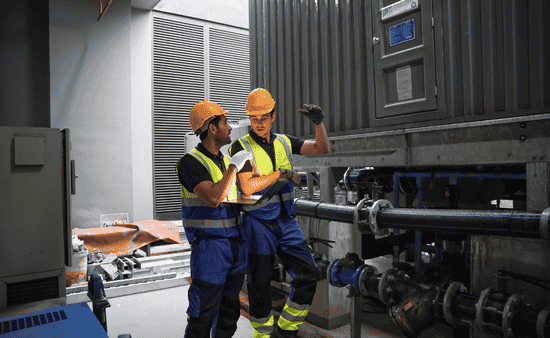
The most significant error a facility manager can make is adopting a “fix it when it breaks” philosophy. Reactive maintenance is inherently more expensive than proactive care, often costing three to four times more than scheduled servicing due to emergency labor rates and expedited shipping for parts.
When you wait for a system to fail, you lose control over the timeline, which can lead to significant business interruptions and tenant dissatisfaction.
2. Neglecting the Building Envelope
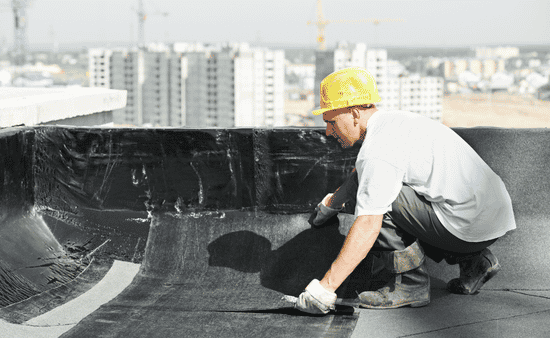
A building’s exterior—its roof, windows, and masonry—is its first line of defense against the elements. Ignoring minor leaks or cracks in the facade can lead to catastrophic structural issues or mold growth over time.
Regular inspections of the roof and sealing any penetrations are essential tasks that, when skipped, compromise the integrity of the entire structure. A small investment in seasonal inspections can save hundreds of thousands of dollars in premature replacement costs.
3. Ignoring HVAC System Optimization
When these systems are neglected, they work harder to maintain temperatures, leading to higher utility bills and a shorter lifespan for expensive components like compressors and chillers. Furthermore, poor indoor air quality can lead to “sick building syndrome,” affecting the health and productivity of the occupants.
4. Poor Record Keeping and Documentation
In the age of digital transformation, relying on paper files or the memory of a single maintenance technician is a high-risk strategy. Many organizations fail to maintain a centralized, updated log of service dates, warranties, and equipment specifications.
Without this data, it becomes nearly impossible to track recurring issues or make informed decisions about when to repair versus replace a piece of equipment. Utilizing a modern Computerized Maintenance Management System (CMMS) is no longer a luxury; it is a necessity for efficient operations.
5. Overlooking Exterior Curb Appeal
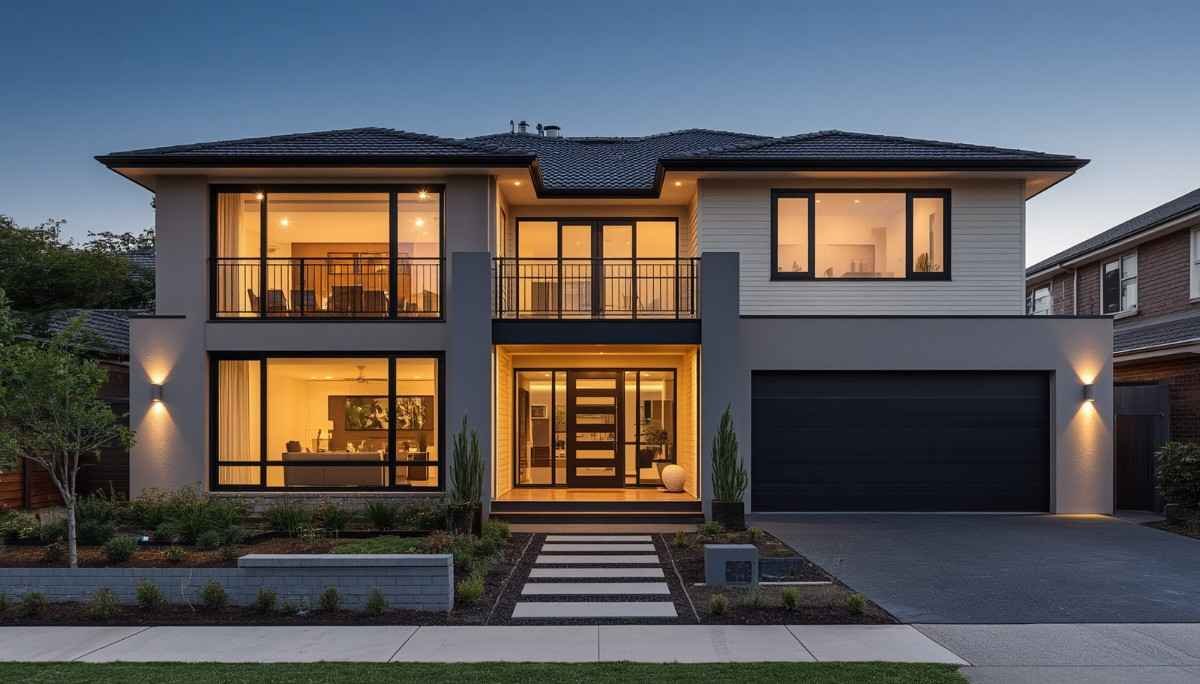
The exterior appearance of a building sets the tone for the professional environment within. Neglecting the parking lot, signage, or greenery can deter potential tenants and lower the perceived value of the property.
While internal systems are vital, maintaining a pristine landscape is a key part of asset management; many savvy owners partner with reputable Utah landscaping companies to ensure their grounds remain professional and inviting throughout the changing seasons.
6. Hiring Based on Price Alone
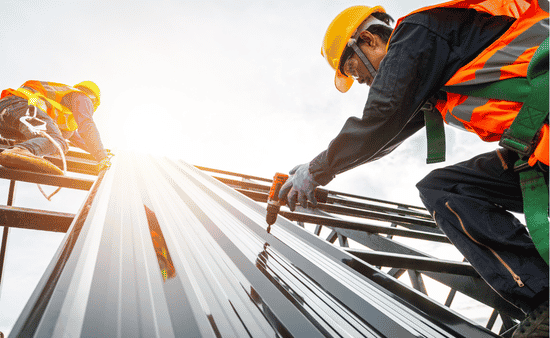
When it comes to specialized systems like elevators, fire suppression, or electrical grids, the cheapest bid is rarely the best value. Opting for unqualified labor or low-grade replacement parts often leads to “re-work,” where a professional must be called in later to fix a botched initial attempt.
Quality maintenance requires skilled professionals who understand building codes and safety standards. Cutting corners on labor costs almost always results in higher long-term expenditures and increased liability.
7. Disregarding Safety and Compliance Updates
Building codes and safety regulations are constantly evolving. A major mistake is failing to stay current with fire safety inspections, ADA compliance, or elevator certifications.
Beyond the obvious legal risks and potential fines, neglecting these areas puts the lives of building occupants at risk. Regular audits of safety protocols ensure that the building remains a safe haven for all who enter.
8. Failure to Budget for Capital Replacements
Every component of a building has a finite lifespan. A common financial mistake is failing to set aside a capital reserve fund for major replacements, such as a new boiler or a roof overhaul. Planning ahead with expert space planning can also help property owners manage upgrades more efficiently while supporting long-term building functionality.
When these systems inevitably reach the end of their utility, the lack of a designated budget can lead to financial strain or the continued use of inefficient, failing equipment.
In Conclusion
Effective commercial building maintenance is not merely about fixing leaks; it is about strategic asset preservation.
By moving away from reactive habits and focusing on documented, high-quality care for both the interior and exterior of the property, managers can ensure their buildings remain safe, efficient, and profitable for decades to come. Avoid these common mistakes to transform your facility from a cost center into a high-value asset.